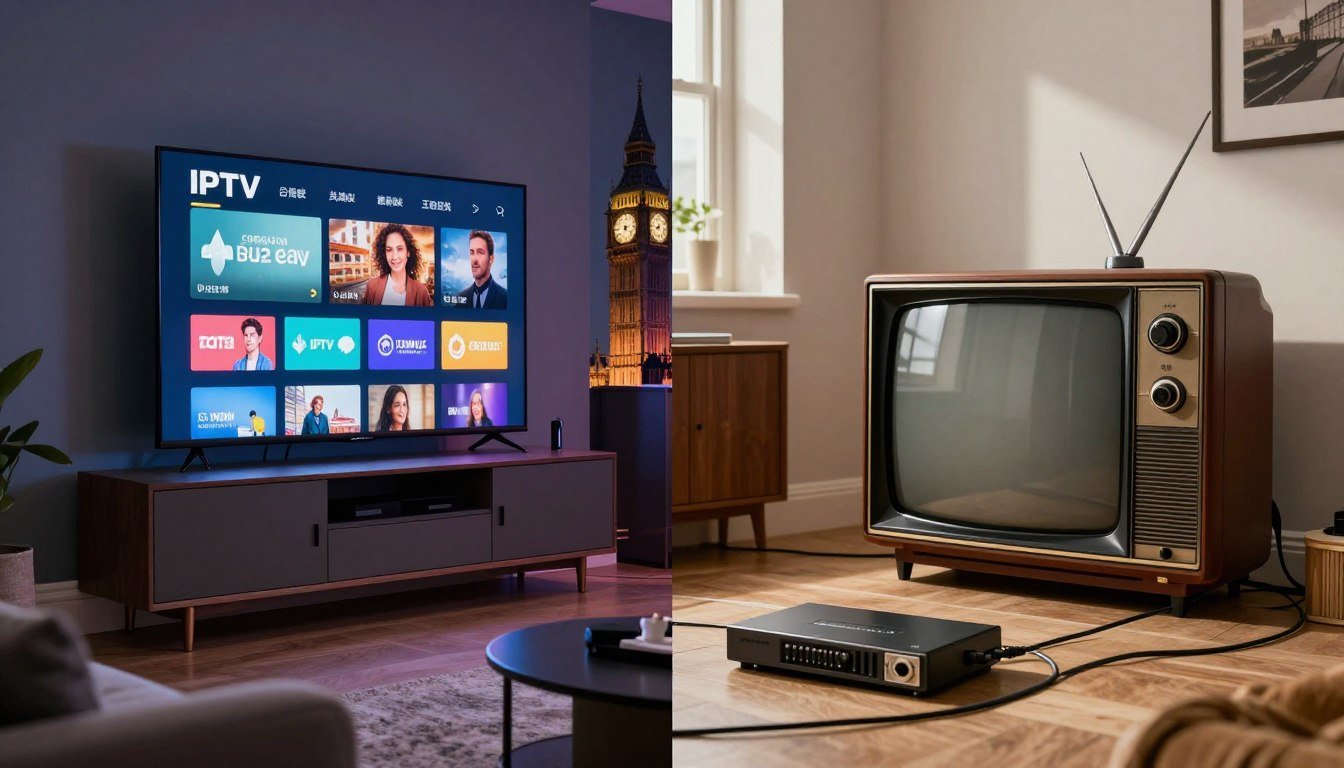


Have you ever wondered if your traditional television setup is truly keeping pace with the digital revolution? As households across the nation rethink how they consume media, the choice between legacy broadcast systems and modern streaming alternatives has never been more critical.
The landscape of home entertainment is shifting rapidly. Many viewers are now moving away from standard satellite or aerial connections to embrace flexible, internet-based solutions. Understanding the nuances of IPTV vs cable UK is essential for anyone looking to optimise their viewing experience while managing monthly costs effectively.
Making an informed decision requires a clear look at reliability, content variety, and technical requirements. This guide explores the core differences to help you decide which service best fits your lifestyle.
Key Takeaways
- Traditional broadcast methods are facing stiff competition from modern internet-based streaming services.
- Reliability remains a primary concern when choosing between physical lines and digital delivery.
- Cost-effectiveness varies significantly depending on your existing broadband infrastructure and viewing habits.
- Flexibility in content selection is a major advantage for those adopting newer digital platforms.
- Analysing your household’s data usage is vital before switching to a purely online television service.
Understanding the Landscape of Digital TV in the UK
Watching television in the United Kingdom is no longer confined to a rigid schedule or a single aerial connection. The rapid evolution of Digital TV UK has fundamentally altered how families interact with their screens. As technology advances, the reliance on traditional terrestrial signals is diminishing in favour of more flexible, internet-based solutions.

The Shift from Traditional Broadcasting to On-Demand
For decades, linear broadcasting dictated the rhythm of British life, requiring viewers to be present at specific times to catch their favourite programmes. Today, the rise of Internet Protocol Television UK has dismantled these barriers. Viewers now expect the freedom to watch content whenever they choose, rather than waiting for a scheduled broadcast.
This transition is driven by the convenience of catch-up services and vast digital libraries. By moving away from fixed schedules, the industry has embraced a model that prioritises user autonomy. This shift is not merely a change in delivery method; it represents a fundamental change in consumer behaviour across the nation.
Current Trends in British Household Viewing Habits
Modern British households are increasingly adopting a hybrid approach to entertainment. While some still value the simplicity of live television, the popularity of TV streaming UK platforms continues to surge. Data suggests that the average viewer now balances traditional channels with multiple subscription-based services.
Several key trends are currently shaping the way we consume media:
- Multi-device consumption: Viewers are no longer tethered to the living room sofa, opting to watch content on tablets and smartphones.
- Personalised content discovery: Algorithms now play a crucial role in suggesting programmes based on individual viewing history.
- Increased demand for high-definition: There is a growing expectation for 4K and high-quality streaming standards across all platforms.
As TV streaming UK becomes the standard, the integration of Internet Protocol Television UK into the home ecosystem is becoming seamless. This ongoing transformation ensures that the future of Digital TV UK remains dynamic, competitive, and highly accessible for every household.
The Evolution of Cable TV Providers in the UK
The journey of television technology in the UK is deeply rooted in the expansion of dedicated cable networks. Over the years, the industry has shifted from simple analogue signals to complex digital systems that define modern Cable TV UK standards.
The Dominance of Virgin Media in the Cable Market
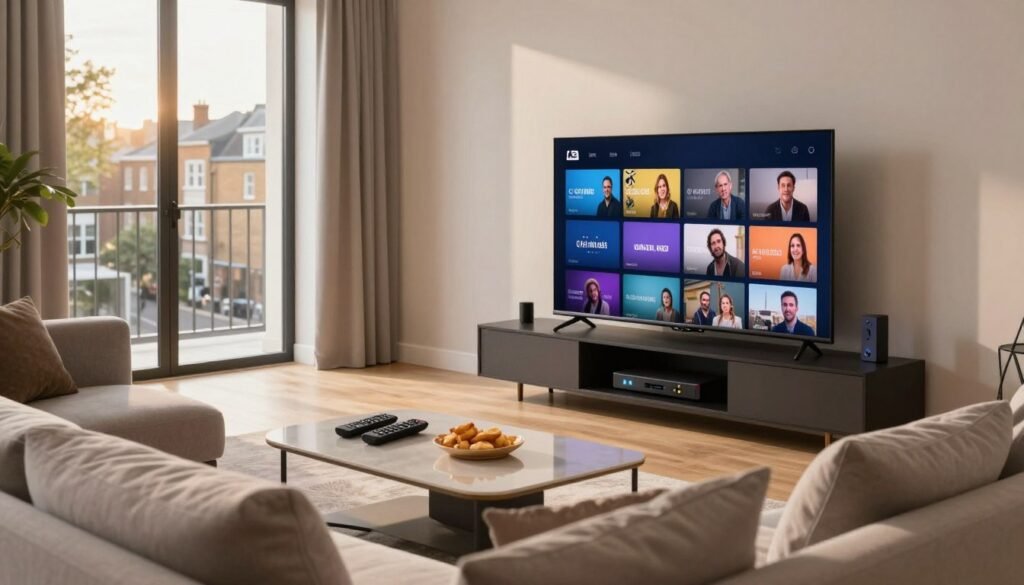
Virgin Media stands as the primary force within the sector, having consolidated various regional networks into a unified national powerhouse. Their ability to maintain a proprietary network has allowed them to offer services that often bypass the limitations of standard telephone lines.
By investing heavily in fibre-optic technology, they have secured a significant portion of the market. This infrastructure allows for high-speed data delivery that remains a benchmark for many competitors.
Bundled Services: Combining Broadband, Phone, and TV
The business model for most Cable providers UK relies heavily on the “triple-play” strategy. This approach bundles television, high-speed broadband, and landline telephone services into a single monthly subscription.
- Cost Efficiency: Customers often save money by grouping services together.
- Simplified Billing: Managing one account reduces administrative hassle for households.
- Integrated Support: Technical issues are handled by a single provider, streamlining the resolution process.
Limitations of Traditional Cable Infrastructure
Despite the benefits, the physical nature of these networks presents distinct challenges. Unlike wireless or purely internet-based solutions, this infrastructure requires specific coaxial or fibre cabling to be installed directly into the home.
This necessity often mandates professional engineer visits, which can lead to delays in service activation. Furthermore, the rigid nature of the hardware means that users are physically tethered to the location where the cable enters the building.
| Feature | Cable Network | IPTV Service |
|---|---|---|
| Installation | Engineer Required | Self-Install |
| Connectivity | Dedicated Coaxial | Standard Broadband |
| Flexibility | Fixed Location | Multi-Device |
| Reliability | High (Private Line) | Variable (Network Load) |
Exploring the Rise of IPTV Services UK
The landscape of home entertainment is undergoing a radical transformation driven by digital innovation. Internet Protocol Television UK has emerged as the primary challenger to legacy broadcasting systems across the nation, offering a more dynamic way to consume media.
How Internet Protocol Television Functions
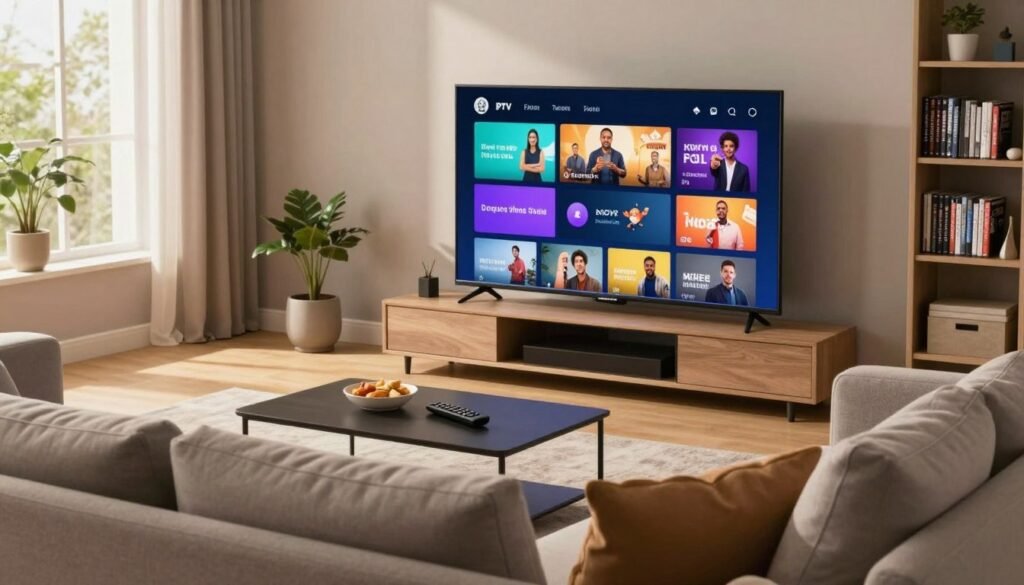
Unlike traditional cable that relies on dedicated coaxial lines, this technology delivers content through your existing broadband connection. Data is broken down into small packets and transmitted over an IP network to your home.
When you select a programme, the system requests the specific data stream from the server. Efficient buffering and high-speed connectivity ensure that these packets arrive in the correct order to provide a seamless viewing experience. Many modern IPTV services UK now utilise this method to offer high-definition content without the need for satellite dishes or complex wiring.
The Role of Smart TVs and Streaming Devices
Accessing this digital content has never been easier thanks to the proliferation of connected hardware. Most modern Smart TVs come with built-in operating systems that allow users to download applications directly to their screens.
For those with older televisions, dedicated streaming sticks and boxes provide an affordable upgrade path. These compact devices plug into an HDMI port, effectively turning any standard display into a powerful media hub. User-friendly interfaces allow viewers to navigate through vast libraries of content with just a remote control or voice command.
Popular Legal IPTV and OTT Platforms in the UK
The British market is home to a variety of reputable platforms that operate within strict legal frameworks. These services provide high-quality, licensed content while ensuring that creators and broadcasters are properly compensated.
Several established IPTV providers UK have become household names by offering reliable, subscription-based access to live channels and on-demand libraries. Notable examples include:
- BBC iPlayer: A cornerstone of British digital broadcasting offering extensive catch-up services.
- NOW: Provides flexible access to premium entertainment and sports without long-term contracts.
- ITVX: A comprehensive platform featuring a mix of live streams and exclusive digital content.
Choosing authorised platforms is essential for security and content quality. By sticking to these official channels, viewers can enjoy a stable, high-quality experience that respects copyright laws and supports the local creative industry.
IPTV vs Cable UK: A Direct Comparison of Features
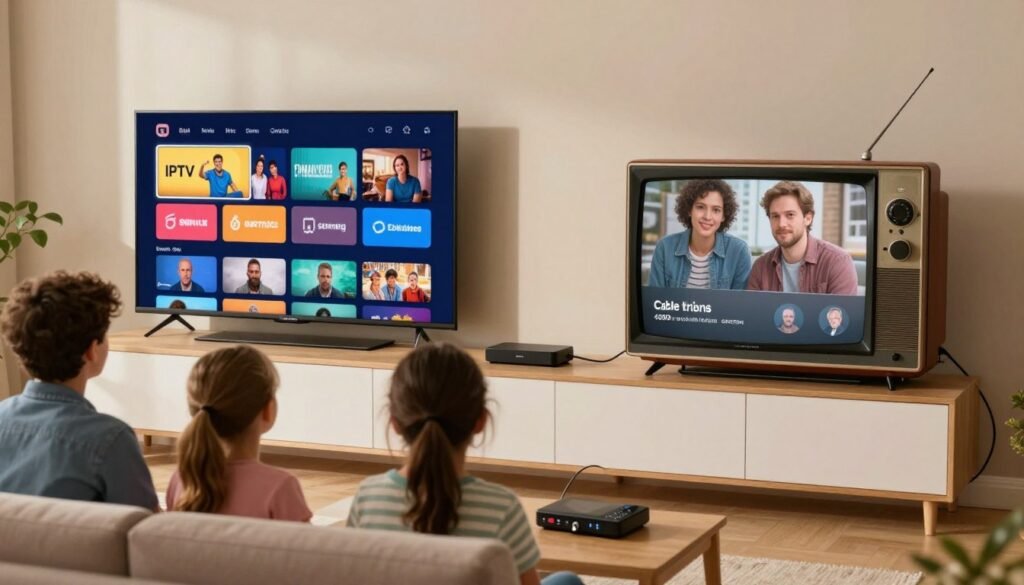
Deciding between IPTV vs cable UK often comes down to how you prefer to interact with your favourite programmes. While both technologies aim to deliver high-quality entertainment to your living room, the underlying mechanics create distinct user experiences. Understanding these differences is vital for anyone navigating the modern landscape of Digital TV UK.
Live Broadcasting Capabilities and Electronic Programme Guides
Traditional cable television relies on a dedicated coaxial infrastructure to deliver a steady stream of broadcast signals. This method provides a highly stable viewing experience, as the signal is not competing with your household internet traffic. The Electronic Programme Guide (EPG) on cable boxes is typically fast, reliable, and deeply integrated with the hardware.
In contrast, IPTV delivers content via your broadband connection. This allows for a more dynamic EPG that can update in real-time and offer deeper metadata about the shows you watch. While cable remains the gold standard for zero-latency live sports, IPTV is rapidly closing the gap with advanced buffering technologies.
On-Demand Libraries and Catch-up Services
When it comes to on-demand content, the two platforms diverge significantly. Cable providers often offer a curated selection of catch-up services, but these are frequently limited by the storage capacity of your set-top box. You are often restricted to what the provider chooses to host on their local servers.
IPTV platforms excel by offering vast, cloud-based libraries that are accessible at any time. Because these services are internet-native, they can host thousands of hours of content without taking up space on your local hardware. This makes catch-up viewing far more flexible for the modern, busy household.
Personalised Recommendations and User Interfaces
The user interface is where the evolution of Digital TV UK is most visible. Cable interfaces have historically been functional but rigid, focusing on a grid-based layout that prioritises channel numbers. While some modern cable boxes have improved, they often lack the sophisticated algorithms found in newer systems.
IPTV services are built on software that learns your viewing habits over time. They provide personalised recommendations that surface content you are likely to enjoy, much like popular streaming apps. This shift towards a content-first interface makes finding your next favourite show much easier than scrolling through hundreds of traditional channels.
Cost Analysis and Subscription TV UK Value
Understanding the true cost of your television package involves looking beyond the initial promotional price tag. Many households find that the advertised monthly rate is only a fraction of the total expenditure required over the course of a year.
Analysing Long-term Contract Commitments
Most Cable TV UK packages require customers to sign up for fixed-term agreements, often lasting 18 to 24 months. While these contracts might offer a lower monthly rate initially, they lock you into a specific service level regardless of changing viewing habits.
If you decide to cancel your service before the term ends, you will likely face hefty early termination fees. This lack of flexibility can be a significant disadvantage for those who prefer to adjust their entertainment budget periodically.
Hidden Costs: Equipment Rentals and Installation Fees
When comparing Cable providers UK, it is essential to account for the secondary charges that often appear on your bill. Many companies charge a one-off installation fee to set up the necessary hardware in your home.
Furthermore, you may be required to pay a monthly rental fee for the set-top box or digital recorder. These hidden costs can quickly inflate the total price of your monthly Subscription TV UK package, making it appear much more expensive than the base rate suggests.
The Economic Advantage of Modular Streaming Subscriptions
Modern streaming alternatives offer a stark contrast to traditional models by providing a modular approach to content. Most of these services operate on a rolling monthly basis, allowing you to cancel or pause your subscription at any time without penalty.
This flexibility allows you to manage your finances more effectively by only paying for the content you actually watch. By avoiding the rigid structures typical of Cable providers UK, many consumers find they can save a substantial amount of money annually while still enjoying a high-quality viewing experience.
Technical Requirements and Internet Connectivity
High-quality digital entertainment relies on more than just a subscription; it requires a stable and fast internet infrastructure. When you move away from traditional broadcast methods, your home network becomes the primary gateway for all your media consumption.
Ensuring your hardware and connection can handle the data load is essential for a frustration-free experience. Without the right setup, even the best content can suffer from poor visual quality or constant interruptions. New to IPTV? Read our guide on what IPTV is and how it works in the UK. See how IPTV compares in our IPTV vs Sky UK comparison. Curious about the tech? Learn how IPTV works. Check out the latest IPTV UK deals and discounts.
Bandwidth Demands for High-Definition Streaming
Streaming high-definition content requires a consistent flow of data to maintain image clarity. For standard HD, most services recommend a minimum speed of 5 Mbps, while 4K Ultra HD content typically demands at least 25 Mbps per stream.
If multiple people in your household are watching different programmes simultaneously, these requirements multiply quickly. It is wise to check your current broadband package to ensure it provides enough headroom for your family’s peak usage times.
The Importance of Fibre Optic Broadband Stability
Fibre optic technology has revolutionised how we receive data by using light signals rather than electrical pulses. This transition provides a significantly more stable connection compared to older copper-based ADSL lines.
Stability is just as important as raw speed when it comes to live television. Fibre connections are less prone to interference from external factors, which helps prevent the signal drops that often plague traditional copper networks.
Latency Issues and Buffering in IPTV Environments
Latency, often referred to as ‘ping’, represents the time it takes for data to travel from the server to your device. High latency can lead to noticeable delays or the dreaded spinning wheel of buffering during live events.
To minimise these issues, consider connecting your streaming device directly to your router using an Ethernet cable rather than relying on Wi-Fi. This simple change creates a dedicated path for your data, effectively reducing the chance of packet loss and ensuring a smoother playback experience.
Reliability, Legal Considerations, and Content Quality
When you decide to upgrade your home entertainment, the reliability and legality of your service should be top priorities. Navigating the digital landscape requires a clear understanding of how different platforms operate to ensure you receive the best possible experience.
The Importance of Using Authorised Providers
Choosing reputable IPTV providers UK is the most effective way to guarantee a consistent and secure viewing experience. Authorised services invest heavily in server infrastructure, which ensures that your favourite shows are delivered without unexpected interruptions or security risks.
When you subscribe to an official service, you gain access to dedicated customer support and regular software updates. These updates often improve the user interface and patch potential vulnerabilities, keeping your personal data safe from malicious actors. Reliability is not just about uptime; it is about peace of mind.
Signal Stability: Cable Coaxial vs Internet Delivery
Traditional cable television relies on dedicated coaxial infrastructure, which provides a highly stable signal that is largely unaffected by local network traffic. Because this connection is physically isolated from your home broadband, your TV viewing does not compete with your internet usage for bandwidth.
In contrast, modern IPTV services UK deliver content over your existing internet connection. While this offers incredible flexibility, it means that your stream quality depends entirely on the stability and speed of your broadband provider. High-definition streaming requires a robust connection to prevent buffering during peak evening hours.
Understanding UK Copyright Laws and Licensing
The digital media landscape is governed by strict copyright regulations designed to protect content creators and broadcasters. Engaging with unlicensed or “pirate” platforms poses significant risks, including the potential for legal action and the exposure of your home network to malware.
Authorised IPTV providers UK operate under strict licensing agreements that ensure royalties are paid to the rightful owners of the content. By choosing legitimate services, you support the creative industry while ensuring that your viewing habits remain fully compliant with British law. Always verify that your chosen service holds the necessary broadcast rights to operate within the United Kingdom.
Flexibility and Multi-Device Viewing Experiences
The way we consume media has undergone a radical transformation, prioritising portability and personal choice. Modern TV streaming UK solutions have moved beyond the constraints of a single television set, allowing viewers to curate their own entertainment schedules. This shift ensures that high-quality content is always accessible, regardless of your physical location.
Watching TV on the Move with Mobile Apps
Mobile applications have revolutionised how we interact with our favourite broadcasters. Whether you are commuting on a train or relaxing in a park, platforms like BBC iPlayer or Sky Go provide seamless access to live and on-demand content. This level of mobility is a cornerstone of modern TV streaming UK, ensuring you never miss a crucial moment of a live match or a series finale.
Simultaneous Streams and Household Sharing
One of the most significant advantages of digital platforms is the ability to support multiple users at once. Many services allow households to stream different programmes on various devices simultaneously, effectively ending the battle for the remote control. This flexible approach to TV streaming UK caters to the diverse tastes of every family member, from children watching cartoons to adults catching up on the latest news.
Integration with Smart Home Ecosystems
Modern entertainment platforms are increasingly designed to work in harmony with your smart home setup. By linking your streaming accounts to voice-activated assistants, you can control your viewing experience using simple voice commands. This sophisticated integration makes TV streaming UK an intuitive part of your daily routine, allowing you to dim the lights or launch an app without lifting a finger.
Conclusion
Selecting the right television service requires a clear understanding of your personal viewing habits. The debate regarding IPTV vs cable UK highlights a shift toward customisation and digital freedom. You must weigh the stability of traditional infrastructure against the modern benefits of streaming.
Traditional Cable TV UK providers like Virgin Media offer a reliable, all-in-one experience for many households. These packages often simplify billing by combining broadband and television services into a single monthly payment. You should carefully review the contract terms to avoid unexpected long-term commitments.
Modern Subscription TV UK options provide unparalleled flexibility for those who prefer on-demand content. These services allow you to build a bespoke library of shows without the burden of rigid hardware rentals. Evaluate your internet speed and data requirements before switching to a purely digital platform.
Your final decision rests on balancing your budget with your desire for high-quality entertainment. Take a moment to assess which features matter most to your daily routine. Whether you choose a legacy provider or a streaming service, ensure your home network supports your chosen path.
Leave a Reply