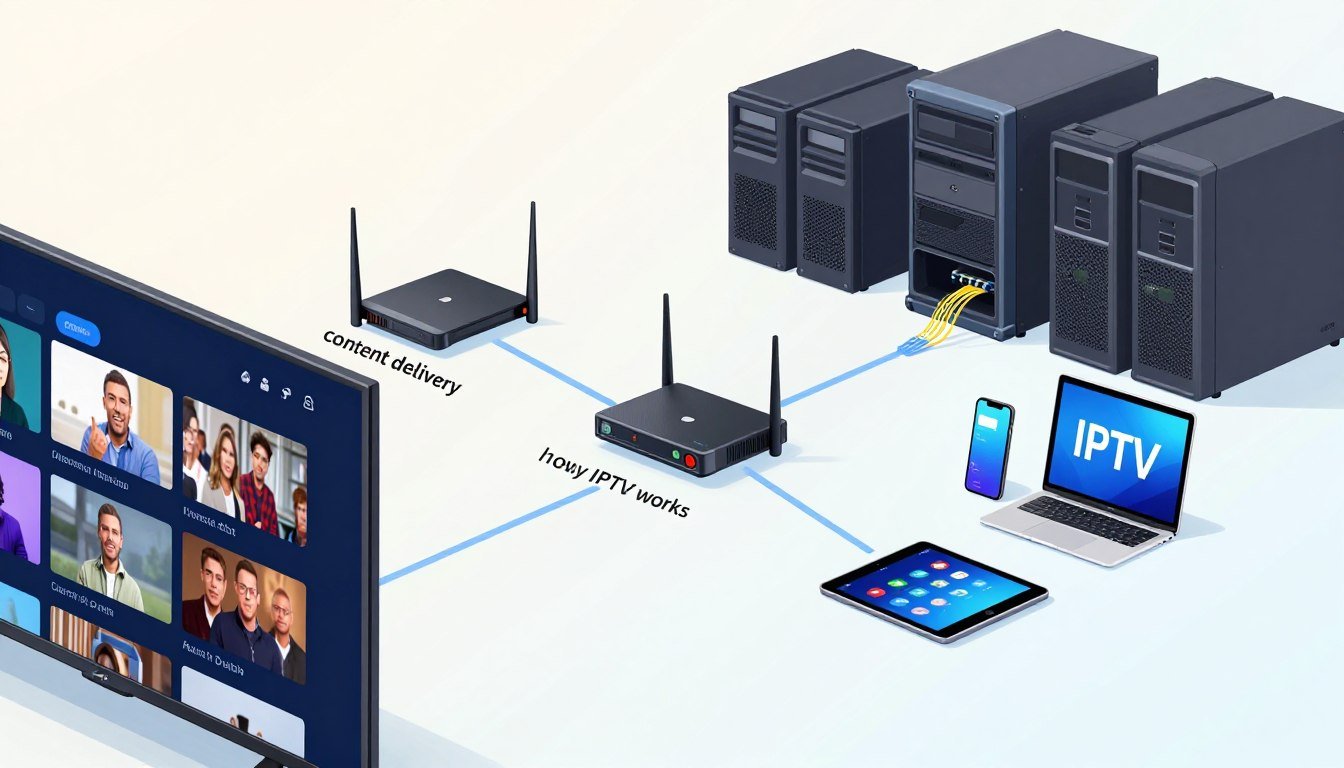


Have you ever wondered why your television experience feels so different today compared to the traditional aerial or satellite setups of the past? Many households across the United Kingdom are shifting towards modern digital streaming solutions to enjoy their favourite programmes.
This technology relies on an internet connection to deliver media content directly to your screen. By utilising an IP network, it offers a flexible and efficient alternative to legacy broadcast methods. Understanding the mechanics behind this transition reveals why so many viewers now prefer this seamless approach to watching live and on-demand media.
Key Takeaways
- Digital streaming utilises your existing broadband connection for media delivery.
- It removes the necessity for traditional satellite dishes or aerials.
- Viewers gain access to both live broadcasts and on-demand libraries.
- The system provides a highly customisable viewing experience for modern households.
- Reliable internet speeds are essential for maintaining high-quality visual output.
The Fundamentals of Internet Protocol Television
Internet Protocol Television has redefined the boundaries of home entertainment by leveraging the power of high-speed broadband. Unlike older methods of signal transmission, this technology delivers media content as a series of data packets over a private or public network.
It functions as a managed service, which ensures that the quality of the stream remains consistent and secure for the end user. This reliability is a hallmark of modern internet television, making it a preferred choice for both residential and corporate environments.

Defining IPTV in the Modern Digital Landscape
In today’s fast-paced world, IPTV serves as the backbone for many streaming platforms and interactive media services. It is not merely about watching videos online; it is a sophisticated delivery system that prioritises data integrity and low latency.
By utilising dedicated network infrastructure, providers can offer a seamless viewing experience that adapts to the user’s connection speed. This evolution has turned digital broadcasting into a highly flexible tool that supports everything from live sports to on-demand archives.
Distinguishing IPTV from Traditional Broadcasting
Traditional methods such as terrestrial, satellite, and cable television rely on fixed broadcast schedules and broad signal distribution. These older systems push content to all viewers simultaneously, regardless of whether they are watching or not.
In contrast, IPTV operates on a request-based model, where content is sent only when the viewer initiates a stream. This fundamental difference allows for greater personalisation and efficiency in digital broadcasting compared to legacy formats.
- Fixed Schedules: Traditional TV forces viewers to adhere to pre-set programming times.
- On-Demand Access: IPTV allows users to choose exactly what they want to watch at any moment.
- Network Efficiency: Modern internet television uses bandwidth only when active, reducing unnecessary data traffic.
How Does IPTV Work: The Technical Architecture
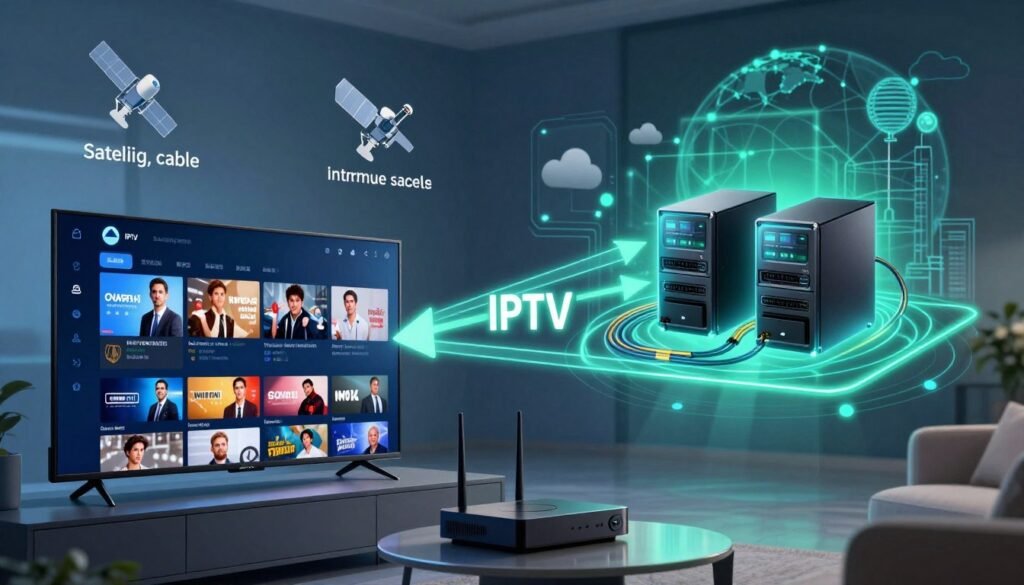
To grasp how does IPTV work, one must explore the intricate technical architecture that powers the service. Unlike traditional broadcast methods, this system relies on a packet-switched network to deliver media content directly to your device. It is a sophisticated process that transforms raw video signals into digital data ready for internet transmission.
The Role of Head-ends and Content Servers
The journey of your favourite programme begins at the head-end facility. This is where content acquisition occurs, as providers ingest live feeds and on-demand files from various sources. These signals are then encoded into a digital format suitable for streaming across the web.
Once encoded, the content is managed by powerful servers that handle channel lineups and electronic programme guide (EPG) data. Middleware acts as the central brain of this operation, ensuring that user authentication and content requests are processed instantly. This layer is vital for maintaining a smooth and personalised viewing experience.
Network Infrastructure and Content Delivery Networks
Efficient distribution is the hallmark of modern IPTV technology. Content delivery networks (CDNs) are utilised to store media closer to the end-user, which significantly reduces latency. By caching popular content at regional nodes, the system ensures that high-quality video reaches your home without unnecessary delays.
For live broadcasts, the network often employs multicast protocols. This clever method allows a single stream to reach many recipients simultaneously, rather than creating a separate connection for every viewer. This approach preserves bandwidth while maintaining high performance across the entire network.
The Importance of High-Speed Broadband Connections
The final link in this technical chain is your home internet connection. Because IPTV technology relies on the continuous transmission of data packets, a stable and high-speed broadband service is essential. Without sufficient bandwidth, the system may struggle to deliver high-definition streams, leading to buffering or poor image quality.
Reliable connectivity ensures that the data packets arrive in the correct order and at the right time. As the demand for 4K and ultra-high-definition content grows, the necessity for robust fibre optic infrastructure becomes even more apparent. Ultimately, the quality of your viewing experience is directly tied to the strength of your local network connection.
Streaming Protocols and Video Compression
The seamless experience of watching live television online is made possible by advanced streaming protocols and video compression. These technologies work in tandem to ensure that high-definition content travels across the internet without losing its visual integrity.
Understanding Data Packet Transmission
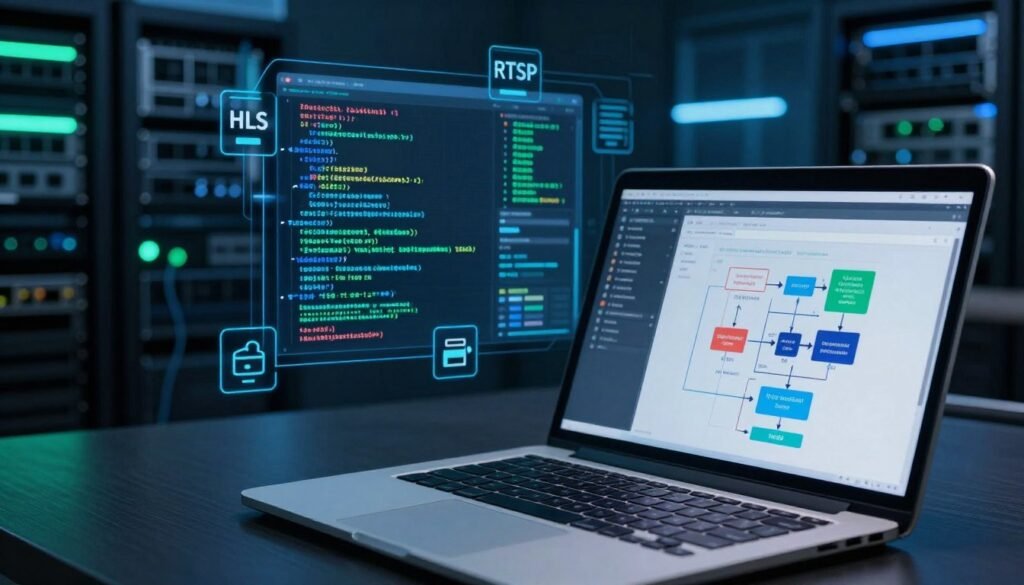
When you watch a programme, the data is not sent as a single continuous stream. Instead, it is broken down into tiny, manageable units known as data packets.
These packets travel across the network independently before being reassembled by your device. This method allows for efficient routing, ensuring that even if one path is congested, the data can find an alternative route to reach your screen.
The Role of Codecs in Video Quality
Raw video files are incredibly large and would quickly overwhelm standard broadband connections. To solve this, providers use video compression to shrink the file size while maintaining high picture quality.
Codecs, which stands for coder-decoder, are the software tools responsible for this process. They identify redundant information in the video signal and remove it, allowing for a much smoother delivery of high-definition content to your home.
Managing Latency and Buffering Issues
Even with the best infrastructure, users may occasionally encounter delays or interruptions. Latency refers to the time it takes for data to travel from the server to your device, while buffering occurs when your player runs out of pre-loaded data.
Modern streaming protocols are designed to mitigate these issues by dynamically adjusting the quality of the stream based on your current internet speed. This adaptive bitrate streaming ensures that your viewing experience remains uninterrupted, even during periods of network fluctuation.
- Packet Loss Recovery: Advanced protocols can request missing data instantly.
- Adaptive Bitrate: Automatically lowers resolution to prevent total playback failure.
- Efficient Encoding: Reduces the overall load on your home network.
The User Experience and IPTV Setup
A successful IPTV setup relies on a combination of reliable hardware and intuitive software interfaces. Transitioning to this modern way of viewing content offers UK households unprecedented control over their entertainment schedules.
Hardware Requirements for UK Households
To enjoy a seamless streaming experience, your home network must be properly prepared. High-speed fibre broadband is the foundation of any robust internet television configuration, ensuring that data packets arrive without interruption.
Beyond the connection, you will need specific hardware components to bridge the gap between your router and your display. Essential items for your home include:
- A high-performance router capable of handling multiple high-definition streams.
- Ethernet cables for a more stable, wired connection to your primary viewing device.
- A compatible display unit, such as a 4K-ready television or a dedicated streaming monitor.

Software Interfaces and Electronic Programme Guides
The software interface acts as the bridge between the viewer and the vast library of available content. A well-designed interface makes navigating internet television feel natural and efficient.
The Electronic Programme Guide (EPG) is perhaps the most critical feature for the average user. It provides a structured, visual layout of live schedules, allowing you to browse upcoming shows or access catch-up services with ease. Intuitive navigation ensures that you spend less time searching and more time watching your favourite programmes.
The Role of Set-Top Boxes and Smart Televisions
Choosing the right playback device is a vital part of your IPTV setup. Many households opt for dedicated set-top boxes, which often provide superior processing power and a more responsive user interface compared to built-in television software.
Alternatively, modern Smart Televisions come with pre-installed applications that remove the need for extra hardware. While these apps offer a clutter-free aesthetic, dedicated boxes frequently provide better support for advanced features and future-proofed software updates. Ultimately, the choice depends on your specific viewing habits and the level of performance you demand from your home entertainment system.
Types of IPTV Services Available
The landscape of digital media is vast, providing several distinct ways to access your favourite programmes. Modern IPTV services have transformed how we interact with our screens, moving away from rigid schedules toward a more personalised approach.
Video on Demand Services
Video on Demand (VOD) allows users to select and watch content whenever they choose. Instead of waiting for a broadcast, you can browse a comprehensive library of films and series at your convenience. This model is the cornerstone of modern streaming, offering unparalleled freedom for the viewer.
Live Television Streaming
Live streaming brings the traditional broadcast experience into the digital realm. These IPTV services transmit real-time events, such as news bulletins or sporting fixtures, directly to your device over the internet. It maintains the excitement of shared viewing experiences while utilising modern network infrastructure.
Time-Shifted Media and Catch-up Services
Time-shifted media provides viewers with the ability to pause, rewind, or record live broadcasts. Catch-up services allow you to watch programmes that have already aired, ensuring you never miss your favourite shows. Furthermore, Near-Video-on-Demand offers scheduled content for those who prefer a structured viewing experience without the need for physical storage.
| Service Type | Primary Benefit | User Control |
|---|---|---|
| Video on Demand | Instant access | High |
| Live Streaming | Real-time events | Low |
| Catch-up | Flexibility | Medium |
| Near-VOD | Structured viewing | Medium |
By understanding these different IPTV services, households across the United Kingdom can better manage their entertainment budgets and viewing habits. Whether you prefer the spontaneity of live broadcasts or the convenience of on-demand libraries, there is a solution tailored to your needs.
Security and Legal Considerations in the United Kingdom
The rapid growth of digital broadcasting has brought both convenience and new challenges regarding consumer protection. As more households transition to internet-based television, understanding the security landscape is vital for a safe viewing experience.
Distinguishing Authorised Providers from Illegal Streams
Choosing a legitimate IPTV provider is the most effective way to avoid unnecessary risks. Authorised services operate within the law, ensuring that content creators are compensated and that your connection remains stable.
In contrast, illegal streaming services often hide malicious intent behind low subscription costs. These platforms frequently expose users to severe risks, including malware infections, identity theft, and sophisticated payment fraud.
Data Privacy and Encryption Standards
A reputable IPTV provider prioritises the security of your personal information through robust encryption protocols. By using industry-standard security measures, these companies ensure that your viewing habits and payment details remain private.
Always check for clear privacy policies before signing up for a new service. Legitimate companies are transparent about how they handle your data, providing you with peace of mind while you enjoy your favourite programmes.
The Role of Ofcom in Regulating Digital Broadcasting
In the United Kingdom, the Office of Communications, known as Ofcom, plays a central role in overseeing the sector. They ensure that digital broadcasting adheres to strict regional standards and copyright laws.
Ofcom works tirelessly to protect consumers from harmful content and unfair practices. By maintaining a regulated environment, they help foster a trustworthy marketplace where viewers can access high-quality entertainment without compromising their security.
Advantages of Adopting IPTV Technology
The transition to digital streaming has unlocked a variety of benefits for households across the United Kingdom. By moving away from legacy broadcast methods, users can now access IPTV services that provide a more dynamic and responsive entertainment environment. This shift represents a fundamental change in how we consume media daily.
Flexibility and Personalisation for Viewers
One of the primary benefits of these modern systems is the ability to tailor content to individual preferences. Unlike traditional linear broadcasting, IPTV services allow viewers to curate their own watchlists and access content on their own terms. This level of personalisation ensures that users spend less time searching and more time enjoying their favourite programmes.
Cost-Effectiveness Compared to Satellite and Cable
Many consumers find that switching to digital delivery methods offers significant financial savings. Because these systems utilise existing broadband infrastructure, providers can often offer more competitive pricing than traditional satellite or cable operators. IPTV services effectively reduce the need for expensive hardware installations, making them a highly attractive option for budget-conscious households.
Service providers also benefit from lower operational costs, which can be passed directly to the consumer. This efficiency allows for the creation of flexible subscription packages that cater to diverse viewing habits. By bundling internet and television, households can streamline their monthly expenses without sacrificing quality.
Interactive Features and Multi-Device Integration
Modern digital broadcasting is defined by its high level of interactivity and seamless connectivity. Users are no longer tethered to a single television set in the living room. IPTV services support multi-device integration, allowing viewers to transition effortlessly between smartphones, tablets, and smart TVs.
Key features that enhance the user experience include:
- Real-time interaction with live broadcasts through social media integration.
- Advanced search functions that provide personalised recommendations based on viewing history.
- The ability to pause, rewind, or restart live programmes at the touch of a button.
This level of integration ensures that the viewing experience remains consistent, regardless of the device being used. As technology continues to evolve, the gap between traditional broadcasting and interactive digital media will only continue to widen, providing even greater value to the end user.
Common Challenges and Future Trends
The landscape of digital broadcasting is shifting, presenting new obstacles alongside groundbreaking advancements. While IPTV technology has transformed how we consume media, it remains dependent on the underlying stability of our digital infrastructure.
Bandwidth Constraints and Network Congestion
High-definition content requires significant data throughput, which can lead to bottlenecks during peak viewing hours. When too many users access the network simultaneously, performance often suffers, leading to buffering or reduced picture quality.
To mitigate these issues, engineers rely on advanced streaming protocols that dynamically adjust bitrates based on real-time network conditions. Furthermore, efficient video compression techniques are essential to ensure that high-quality streams remain accessible even when bandwidth is limited.
The Evolution of 5G and Fibre Optic Connectivity
The rollout of full-fibre broadband across the United Kingdom is a game-changer for home entertainment. These connections provide the low latency and high capacity needed to support multiple 4K streams within a single household.
“The future of connectivity lies in the seamless integration of high-speed networks, ensuring that every viewer enjoys a consistent and immersive experience.”
Additionally, the expansion of 5G networks offers a viable alternative for areas where traditional cabling is difficult to install. This wireless evolution ensures that IPTV technology remains flexible and accessible to a wider audience than ever before.
The Shift Towards Cloud-Based Broadcasting
Broadcasters are increasingly moving their operations to the cloud to improve scalability and reduce costs. This transition allows for more personalised content delivery, often powered by artificial intelligence that learns individual viewing habits.
Key benefits of this shift include:
- Enhanced reliability through decentralised server networks.
- Faster deployment of new interactive features for users.
- Improved energy efficiency in data centre management.
As these technologies mature, the barrier between traditional television and digital streaming will continue to fade. This evolution promises a more dynamic and responsive viewing experience for everyone.
Conclusion
The landscape of home entertainment has shifted towards a more dynamic digital future. Traditional cable systems now face competition from flexible, internet-based alternatives that offer greater control over viewing habits.
Selecting a reputable IPTV provider remains the most vital step for any household. Licensed services guarantee high-quality streams while protecting your personal data from potential security risks. You should always prioritise official platforms to ensure a stable and legal viewing experience. New to IPTV? Read our guide on what IPTV is and how it works in the UK. See our complete IPTV setup guide for step-by-step instructions.
Optimising your home network is equally important for a seamless transition. A robust IPTV setup requires a stable broadband connection to handle high-definition content without interruption. Modern households benefit from this technology by gaining access to vast libraries of on-demand media and live broadcasts.
Take the time to research your options before committing to a service. Investing in reliable hardware and a trusted connection will elevate your daily entertainment. Enjoy the freedom that comes with modern digital broadcasting in your own home.
In the modern digital era, the way we consume media has undergone a radical transformation. Internet Protocol Television (IPTV) has emerged as the premier alternative to traditional terrestrial, satellite, and cable broadcasting. Instead of receiving signals via a radio wave or a dedicated fibre-optic cable from a provider like Virgin Media, IPTV technology delivers television content over a standard internet connection. By utilising an IP network, households can access a vast array of live and on-demand content with unprecedented flexibility, requiring only a stable high-speed broadband connection to function.
The Fundamentals of Internet Protocol Television
### Defining IPTV in the Modern Digital Landscape
At its core, IPTV is a managed service that ensures the reliable and secure delivery of media. Unlike public internet streaming, which can be unpredictable, professional IPTV services operate within a private or semi-private network architecture. This allows for a more controlled environment, ensuring that the digital broadcasting experience is consistent for the end-user. Today, it has become the gold standard for media delivery across both domestic households and corporate environments in the UK.
### Distinguishing IPTV from Traditional Broadcasting
Traditional formats like Sky satellite or Freeview terrestrial signals rely on fixed broadcast schedules and “one-to-many” transmission. IPTV technology, conversely, is built on a “one-to-one” or “one-to-many” packet-based system. While traditional signals require specific hardware like a satellite dish, internet television simply requires a data connection. This shift allows for more interactive features and a move away from rigid linear programming.
How Does IPTV Work: The Technical Architecture
### The Role of Head-ends and Content Servers
The process begins at the head-end facility, where content is ingested from various sources, including live satellite feeds and local studios. Here, the media is processed by a content management system (CMS) and middleware. These systems handle everything from user authentication to the organisation of the Electronic Programme Guide (EPG), ensuring that the right content reaches the right subscriber.
### Network Infrastructure and Content Delivery Networks
To prevent the main servers from being overwhelmed, IPTV providers utilise Content Delivery Networks (CDNs). These are distributed groups of servers that cache content closer to the user’s geographic location. For live events, multicast technology is frequently employed, allowing a single stream to be shared across thousands of users simultaneously, which significantly reduces the load on the network.
### The Importance of High-Speed Broadband Connections
The efficiency of any IPTV setup is heavily dependent on the quality of the local infrastructure. In the UK, the rollout of full-fibre broadband by companies like BT Openreach has been instrumental. A high-speed connection ensures that the large data packets required for high-definition video can be delivered without interruption, maintaining a stable stream even during peak usage hours.
Streaming Protocols and Video Compression
### Understanding Data Packet Transmission
When you select a programme, the video is broken down into small data packets. These packets are sent over the internet using specific streaming protocols such as HLS (HTTP Live Streaming) or MPEG-DASH. These protocols ensure that the data is reassembled in the correct order on your device, allowing for a seamless viewing experience.
### The Role of Codecs in Video Quality
To transmit high-definition or 4K content without exhausting bandwidth, video compression is essential. Advanced codecs like H.264 and the more modern H.265 (HEVC) are used to shrink the file size of the video while preserving visual fidelity. This technology is what allows a household to stream high-quality cinema from Netflix or Amazon Prime Video without constant interruption.
### Managing Latency and Buffering Issues
One of the primary challenges for an IPTV provider is latency—the delay between the broadcast and the viewer seeing it. By optimising the buffer (the amount of data pre-loaded by the device), providers can mitigate the effects of minor network fluctuations. However, excessive buffering remains a sign of either poor network congestion or an inadequate IPTV setup.
The User Experience and IPTV Setup
### Hardware Requirements for UK Households
Setting up IPTV is relatively straightforward. Most users opt for a dedicated set-top box, such as an Apple TV 4K or a Roku device. Alternatively, modern Samsung and LG Smart TVs come with built-in support for various IPTV services, eliminating the need for extra cables and hardware.
### Software Interfaces and Electronic Programme Guides
The interface is where the user interacts with the service. A well-designed EPG is crucial, as it allows viewers to navigate through hundreds of channels, view upcoming schedules, and access catch-up services. This software acts as the bridge between the complex backend architecture and the viewer’s living room.
### The Role of Set-Top Boxes and Smart Televisions
The hardware acts as the decoder for the incoming IP stream. It takes the compressed data packets and converts them back into a video signal for the screen. Whether through a Fire TV Stick or an integrated app, the goal is to provide a user-friendly, responsive experience that mimics the simplicity of traditional television.
Types of IPTV Services Available
### Video on Demand Services Video on Demand (VOD) is perhaps the most popular form of IPTV. Services like Disney+ allow users to browse a library and start watching any title instantly. There is no fixed schedule; the content is delivered to the individual user upon request.
### Live Television Streaming
Live IPTV allows for the real-time streaming of channels, such as BBC One or Sky Sports. This is the digital equivalent of traditional broadcasting but delivered via the internet, often with the added benefit of being able to pause or rewind live footage.
### Time-Shifted Media and Catch-up Services Time-shifted media allows viewers to watch broadcasts that aired hours or days ago. BBC iPlayer and ITVX are prime examples of this in the UK, offering a “catch-up” window that grants viewers total control over their viewing schedule.
Security and Legal Considerations in the United Kingdom
### Distinguishing Authorised Providers from Illegal Streams
It is vital to use legitimate IPTV providers. Authorised services hold the necessary broadcasting licences and offer high levels of security. In contrast, illegal streaming services often bypass copyright laws, posing significant risks to users, including malware infections and payment fraud.
### Data Privacy and Encryption Standards
Legitimate services use encryption to protect user data and ensure that the stream cannot be intercepted. This is a critical component of a secure IPTV technology framework, protecting both the intellectual property of the creators and the personal information of the subscribers.
### The Role of Ofcom in Regulating Digital Broadcasting
In the UK, Ofcom is the regulatory body responsible for overseeing digital broadcasting. They ensure that providers adhere to strict standards regarding content, advertising, and consumer protection. Using Ofcom-regulated services ensures that you are viewing content legally and safely.
Advantages of Adopting IPTV Technology
### Flexibility and Personalisation for Viewers
The primary benefit of internet television is the sheer level of personalisation. Users are no longer tied to a living room television; they can stream content on tablets, smartphones, and laptops, often simultaneously.
### Cost-Effectiveness Compared to Satellite and Cable
For many, the economic advantage is a major draw. By bundling IPTV services with an existing broadband package, consumers can often save money compared to traditional expensive satellite contracts. Furthermore, the lack of specialist installation (like drilling for cables) reduces upfront costs.
### Interactive Features and Multi-Device Integration
IPTV allows for a two-way communication channel. This enables interactive features such as voting on live shows, integrated social media feeds, and the ability to start a show on a TV and finish it on a mobile device.
Common Challenges and Future Trends
### Bandwidth Constraints and Network Congestion
The biggest hurdle for IPTV is network congestion. During major live events, such as a Premier League match, the sheer volume of data can strain local exchanges. However, as infrastructure improves, these “bottlenecks” are becoming less frequent.
### The Evolution of 5G and Fibre Optic Connectivity
The future of IPTV services is inextricably linked to 5G and full-fibre technology. These advancements provide the massive bandwidth and low latency required for consistent 8K streaming and immersive Augmented Reality (AR) viewing experiences.
### The Shift Towards Cloud-Based Broadcasting
We are seeing a move towards cloud-based broadcasting, where the entire infrastructure—from storage to playout—is hosted in the cloud. This allows providers to scale their services instantly and integrate AI to offer even more tailored content recommendations to the viewer.
FAQ
### Q: What is the main difference between IPTV and traditional cable TV?
A: The primary difference lies in the delivery method. Traditional cable TV uses a dedicated physical cable and a constant signal, whereas IPTV services deliver content via the same IP network used for your home internet. This allows for more interactive features like Video on Demand and multi-device viewing.
### Q: Does a standard IPTV setup require a specific internet speed?
A: Yes, for a stable experience, especially in High Definition (HD), a minimum speed of 10 Mbps is usually recommended. For 4K Ultra HD streaming via an IPTV provider, speeds of 25 Mbps or higher from a company like BT or Virgin Media are ideal to avoid buffering.
### Q: Is internet television legal to use in the UK?
A: Internet television is perfectly legal when accessed through licensed IPTV providers such as NOW, Netflix, or BBC iPlayer. However, using unlicensed third-party services to access premium content for free is illegal and is monitored by Ofcom and the Police Intellectual Property Crime Unit (PIPCU).
### Q: Can I use IPTV technology on my existing Smart TV?
A: Most modern Smart TVs from brands like Samsung, Sony, and LG have built-in apps that support IPTV technology. If your TV is older, you can easily complete an IPTV setup using a device like a Google Chromecast or an Amazon Fire TV Stick.
### Q: How do streaming protocols like HLS improve my viewing?
A: Streaming protocols like HLS and DASH allow for adaptive bitrate streaming. This means the IPTV technology automatically adjusts the video quality in real-time based on your current internet speed, preventing the stream from stopping entirely if your connection dips.
### Q: What role does video compression play in digital broadcasting?
A: Video compression is essential for digital broadcasting as it reduces the size of the video file so it can travel across the internet efficiently. Using codecs like H.265, providers can deliver stunning picture quality without requiring massive amounts of data, making high-quality streaming accessible to more households.
### Q: What are the risks of using an unofficial IPTV provider?
A: Using an unofficial IPTV provider carries several risks, including exposure to malware, potential payment fraud, and the sudden loss of service. Additionally, these services do not support the creative industries and are frequently targeted for shutdown by regulatory bodies.
Leave a Reply