



Have you ever wondered if your modern streaming habits actually bypass the traditional rules of British broadcasting? As digital platforms evolve, many viewers assume that cutting the cord means leaving behind old regulatory obligations. However, the reality is often more nuanced than it appears.
Whether you are watching live content or catching up on your favourite programmes, understanding your legal standing is essential. A TV licence is a fundamental requirement for anyone accessing live broadcasts or using specific catch-up services like BBC iPlayer, regardless of the delivery method. This funding model supports public service broadcasting and ensures an ad-free experience for millions across the UK.
Navigating the complexities of IPTV regulations can feel daunting, yet the core principles remain consistent. By clarifying these requirements, you can enjoy your digital entertainment with complete peace of mind.
Key Takeaways
- A valid permit is required for watching live broadcasts as they are aired.
- Using BBC iPlayer necessitates a valid authorisation, regardless of the device used.
- The system helps fund public service broadcasting organisations.
- Streaming services that do not offer live content may have different rules.
- Always check official guidance to ensure your household remains compliant.
Understanding UK TV Licence Regulations for Modern Streaming
Understanding the framework of UK TV licence regulations is essential for anyone who consumes media through internet-based platforms. While technology has evolved from traditional aerials to high-speed fibre connections, the core legal requirements remain remarkably consistent. The law is designed to ensure that those who benefit from public service broadcasting contribute their fair share.
Many viewers mistakenly believe that streaming content via the internet exempts them from the standard licensing rules. However, the legislation focuses on the nature of the content rather than the delivery method. Whether you watch via a satellite dish or a modern IPTV app, the obligation to hold a valid licence depends on how you access live broadcasts.
“The law is not tied to the hardware you use, but to the act of viewing live television as it is being broadcast to the public.”
It is important to recognise that UK TV licence regulations apply equally to various devices. Whether you are watching on a smartphone, a tablet, or a high-definition smart TV, the rules do not change. The following table highlights how different viewing habits align with these requirements.
| Viewing Method | Content Type | Licence Required |
|---|---|---|
| Traditional Aerial | Live Broadcasts | Yes |
| IPTV Subscription | Live Channels | Yes |
| On-Demand Only | Catch-up/Box Sets | No (with exceptions) |
Ultimately, the licence acts as a digital ticket that grants you access to a vast array of pay TV services and live streams. By adhering to current UK TV licence regulations, you ensure that you remain compliant while enjoying the flexibility of modern digital media. Staying informed is the best way to avoid unnecessary penalties and enjoy your favourite programmes with peace of mind.
Defining IPTV and How It Operates in the UK
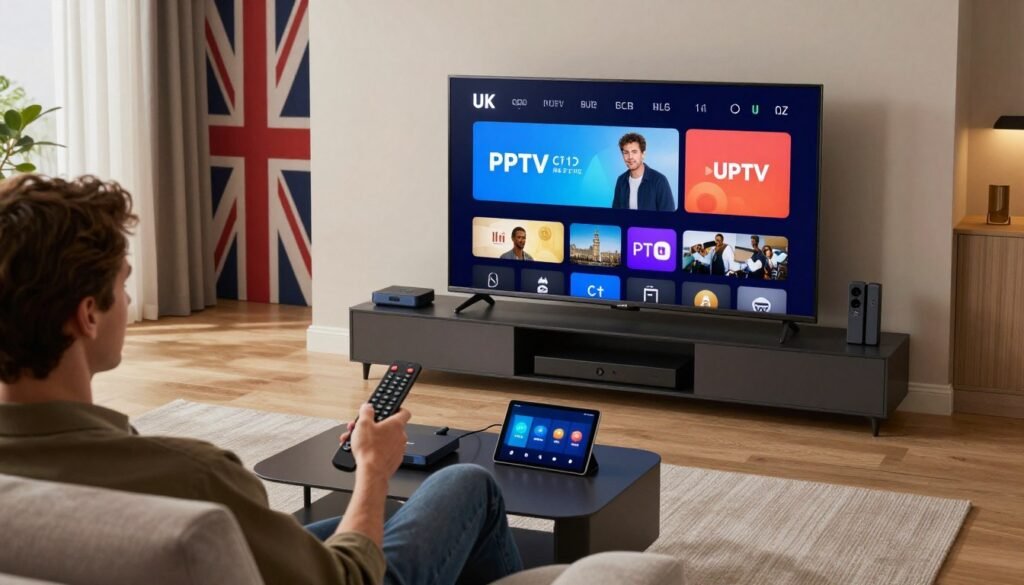
At its core, IPTV delivers television content over your internet connection rather than through traditional aerials or satellite dishes. This technology converts broadcast signals into data packets that travel across your broadband network to reach your screen. For many UK households, this shift has transformed the way they consume media, offering greater flexibility and on-demand access.
Distinguishing Between Legal and Illegal IPTV Services
Not all streaming platforms operate under the same rules, and it is vital to recognise the difference between authorised providers and illicit alternatives. Legal services hold the necessary broadcasting rights and pay royalties to content creators, ensuring that your subscription supports the industry. These platforms provide a secure, high-quality experience that respects copyright laws.
Conversely, illegal services often bypass these protections by redistributing content without permission. Using such platforms can expose you to security risks and may result in poor playback quality. Always verify that your chosen provider is an authorised entity to ensure you are viewing content safely and legally.
The Role of Content Delivery Networks in Streaming
To maintain smooth playback for high-definition streams, providers rely on Content Delivery Networks, or CDNs. These networks consist of a distributed system of servers positioned strategically across the globe. By storing data closer to your physical location, CDNs significantly reduce latency and buffering during peak viewing times.
When you select a programme, the CDN identifies the nearest server to deliver the data efficiently to your device. This infrastructure is essential for providing a seamless streaming experience, especially when thousands of users access the same live event simultaneously. Understanding this technical foundation helps you appreciate the complexity behind the content you enjoy every day.
The Legal Threshold: When Do You Need a TV Licence?
The requirement for a TV licence depends heavily on how and when you consume your media. In the United Kingdom, the law is quite specific regarding the type of content you access. Understanding these boundaries is the best way to ensure you remain compliant while enjoying your favourite programmes.
Whether you are watching through a traditional aerial or via an internet-based service, the primary factor is the nature of the broadcast. If you are watching content as it is being aired, you are likely engaging in a regulated activity.
Live Broadcasts vs. On-Demand Content
You must hold a valid TV licence if you watch or record live TV on any channel. This rule applies regardless of the device you use, whether it is a smart television, a laptop, or a mobile phone. Live TV refers to any programme being shown on any channel at the same time as it is being broadcast to the public.
Conversely, many on-demand services do not require a licence if you are only watching catch-up content. Platforms such as ITVX, Channel 4, or My5 allow you to watch programmes after they have aired without needing a licence. However, this exemption only applies if you are not watching these services as they are broadcast live.
The BBC iPlayer Exception and Catch-up Services
A common point of confusion involves the BBC iPlayer service. Unlike other catch-up platforms, you must have a TV licence to use BBC iPlayer, even if you are only watching content on-demand. This is a unique legal requirement that sets the BBC apart from other broadcasters in the UK.
This rule covers all content on the platform, including programmes that have already been aired and those available exclusively online. If you access any part of the BBC iPlayer service, you are legally obligated to be covered by a licence. It is vital to remember this distinction to avoid potential issues with your licensing status.
Analysing the TV Licence IPTV UK Requirements
Determining whether you need a TV licence IPTV UK subscription depends entirely on how you consume content. Many viewers assume that because they stream via the internet, they are exempt from traditional regulations. However, the law focuses on the nature of the broadcast rather than the delivery method.
Does Your IPTV Subscription Include Live Channels?
The most critical factor in your compliance is whether your service provides access to live television. If your IPTV package allows you to watch programmes as they are being broadcast on any channel, you are legally required to hold a valid licence. This rule applies regardless of whether you watch via a smart TV, a mobile device, or a dedicated set-top box.
Many modern IPTV providers bundle live channels alongside on-demand libraries. It is essential to audit your specific subscription to see if these live features are active. If you have the ability to watch live events, such as sports or news, you must ensure your TV licence IPTV UK status is up to date.
Streaming Foreign Channels and International Broadcasts
Some users mistakenly believe that streaming international content falls outside the scope of domestic law. In reality, the legislation does not distinguish between domestic and foreign broadcasts. If you are watching a channel live from another country, it is treated exactly the same as watching a local UK channel.
The following table outlines common scenarios to help you determine your requirements:
| Viewing Activity | Licence Required | Reasoning |
|---|---|---|
| Live UK TV Channels | Yes | Broadcast as it happens |
| Live Foreign Channels | Yes | Real-time streaming is regulated |
| On-Demand Only | No | Excludes live broadcasts |
| Catch-up (Non-BBC) | No | Not live transmission |
By understanding these distinctions, you can confidently manage your TV licence IPTV UK obligations. Always verify the specific features of your streaming service to avoid potential penalties. Staying informed is the best way to enjoy your digital content without legal concerns.
The Financial Implications: TV Licence Cost and Payment
Understanding the financial obligations of your home entertainment setup is essential for every UK resident. Managing your TV licence cost effectively ensures that you remain compliant while enjoying your favourite programmes. By planning your budget, you can avoid unexpected expenses and maintain uninterrupted access to live broadcasts.
Current Pricing Structures for UK Households
The standard annual fee is set by the government and applies to most households across the United Kingdom. You have several options to manage this payment, including paying in full or spreading the cost over the year. Direct Debit remains the most popular method for many families as it automates the process.
If you prefer more flexibility, you can choose between monthly, quarterly, or annual payment plans. These options help you align your payments with your personal budget cycles. The following table outlines the common payment frequencies available to help you manage your finances:
| Payment Frequency | Convenience Level | Best For |
|---|---|---|
| Monthly Direct Debit | High | Budgeting households |
| Quarterly Payment | Medium | Flexible planning |
| Annual Payment | Low | One-off settlement |
How to Buy TV Licence Online Safely
When you need to buy TV licence online, it is vital to use only the official government website. Scammers often create fake portals to steal personal data or financial information. Always check the URL in your browser to ensure it ends in ‘.co.uk’ and is associated with the official TV Licensing authority.
Never click on links sent via unsolicited emails or text messages claiming to be from the licensing body. These are frequently phishing attempts designed to trick you into providing sensitive details. By visiting the official portal directly, you protect your identity and ensure your payment is processed securely.
Managing Your TV Licence Renewal UK Process
The TV licence renewal UK process is designed to be straightforward and user-friendly. Most households receive a reminder via post or email before their current licence expires. It is important to keep your contact details updated to ensure you receive these notifications on time.
If you choose to pay by Direct Debit, your renewal is often handled automatically, providing peace of mind throughout the year. Should your circumstances change, such as moving home or changing your viewing habits, you can easily update your account online. Staying proactive with your renewal ensures that you avoid any potential lapses in your coverage.
Common Misconceptions About IPTV and Licensing
It is a common error to assume that the method of delivery changes your legal obligations for television viewing. Many people mistakenly believe that because they access content through the internet, they are automatically exempt from standard regulations. This is simply not the case under current UK law.
Whether you receive your signal through a traditional aerial or a high-speed fibre connection, the core requirement remains the same. If you watch live programmes as they are being broadcast, you must ensure you are covered by a valid licence.
The Myth of the Internet-Only Exemption
A prevalent myth suggests that IPTV services operate in a legal grey area that bypasses the need for a TV licence. Some users wrongly assume that because they do not own a television set, they are free from these legal requirements. However, the law focuses on the act of viewing live content rather than the specific infrastructure used to deliver it.
If you are streaming live channels via an app or a website, you are essentially participating in a broadcast. This activity falls squarely under the same rules that govern traditional terrestrial television. Relying on the idea of an “internet-only” exemption is a risky strategy that could lead to unnecessary fines.
Why Device Type Does Not Determine Licence Necessity
Another frequent point of confusion involves the hardware used to consume media. Many viewers believe that watching on a smartphone, tablet, or laptop provides a loophole compared to using a traditional smart TV. In reality, the device type is entirely irrelevant to the legal necessity of holding a licence.
The legislation is designed to be technology-neutral to keep pace with modern habits. Whether you are watching on a handheld device while commuting or on a desktop computer at home, the obligation to be licensed applies if you are watching live broadcasts. Always verify your status to ensure you remain compliant with UK broadcasting standards.
Risks and Consequences of Operating Without a Licence
Failing to maintain a valid TV licence while accessing live broadcasts carries significant risks for UK residents. Many viewers assume that modern streaming methods remain invisible to authorities, but this is a dangerous misconception. Staying compliant is the only way to ensure you avoid unnecessary legal stress and financial penalties.
How TV Licensing Detects Unlicensed Viewing
TV Licensing employs a variety of sophisticated methods to identify households that may be viewing live content without the required authorisation. They maintain a comprehensive national database of addresses that do not hold a licence, which serves as the primary tool for their enforcement teams. Want to know about legality? Read our guide on whether IPTV is legal in the UK. Compare options in our IPTV vs cable UK breakdown. See how IPTV compares in our IPTV vs Sky UK comparison.
Enforcement officers frequently visit properties to verify whether live television or catch-up services like BBC iPlayer are being accessed. These officers are trained to identify the use of various devices, including smart TVs, tablets, and computers, to confirm if a household is consuming regulated content.
Penalties and Legal Repercussions for Non-Compliance
The repercussions for failing to hold a valid licence are serious and can escalate quickly if ignored. When evidence of unlicensed viewing is gathered, the situation often moves beyond simple warnings into formal legal action.
If you are found to be in breach of the law, you may face the following consequences:
- Substantial fines: You could be prosecuted and fined up to £1,000, plus additional court costs.
- Criminal record: A conviction for TV licence evasion results in a criminal record, which may impact future employment opportunities.
- Regular monitoring: Households that have been flagged for non-compliance are often subject to more frequent checks by enforcement officers.
It is important to remember that the law applies regardless of the technology used to access the broadcast. Whether you are using a standard aerial or an IPTV service, the requirement remains the same if you watch live programmes as they are being aired. Taking the time to ensure your household is properly licensed protects you from these avoidable legal hurdles.
Best Practices for Managing Your TV Licence Payment Online
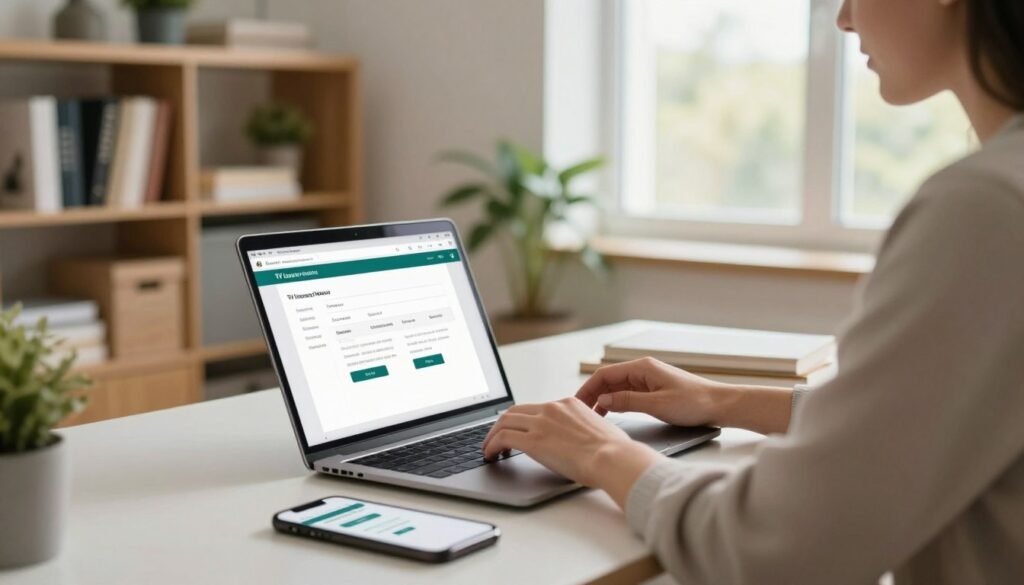
Streamlining your household finances includes ensuring your TV licence payment online is handled efficiently. By using the official digital portal, you can maintain your compliance without the need for paper forms or phone calls. This approach provides a clear record of your status and helps you avoid any potential service interruptions.
Setting Up Direct Debits for Seamless Renewals
The most effective way to manage your account is by setting up a Direct Debit. This method automates your payments, ensuring that your licence is always active without requiring manual intervention. You will never have to worry about missing a deadline or facing an accidental lapse in your coverage.
Direct Debits offer flexibility, allowing you to choose between monthly, quarterly, or annual payment schedules. This financial control helps households budget more effectively throughout the year. Once established, the system handles the renewal process automatically, providing peace of mind for every viewer.
“Automating your essential household bills is the smartest way to ensure you remain compliant with legal requirements while reducing your administrative burden.”
Updating Your Details When Moving Home
Life changes often involve moving to a new property, which requires you to update your records promptly. You can easily change your address through the official website to ensure your TV licence payment online remains linked to the correct location. Keeping your information current prevents any confusion regarding your coverage status at your new residence.
If you are moving, simply log in to your account and select the option to update your personal details. This quick task ensures that all future correspondence reaches you without delay. Maintaining accurate records is a vital part of responsible licence management.
| Payment Method | Frequency | Automation Level |
|---|---|---|
| Direct Debit | Monthly/Quarterly | High |
| Debit/Credit Card | Annual | Low |
| PayPoint | Variable | None |
By choosing the right TV licence payment online method, you protect yourself from unnecessary stress. Whether you opt for automated renewals or manual updates, staying organised is the key to a hassle-free experience.
Navigating IPTV Subscription UK Services Responsibly
Navigating the digital landscape of streaming services demands a proactive approach to safety. When you choose an IPTV subscription UK provider, you are entering into a digital agreement that involves both your finances and your personal data. Making informed decisions helps you avoid services that operate outside the law.
Verifying the Legitimacy of Your Streaming Provider
Before committing to any service, you should perform a quick background check. Legitimate providers typically offer transparent contact information, clear terms of service, and professional customer support channels. If a deal seems too good to be true, such as offering thousands of premium channels for a nominal fee, it is likely an unauthorised service.
You can verify a provider by checking for official branding and ensuring they hold the necessary broadcast rights. Reputable companies will not hide their physical address or registration details. Always look for reviews from independent sources to see if other users have experienced consistent service and professional conduct.
Protecting Your Data While Using IPTV Services
Cybersecurity is a critical component of your digital entertainment experience. When you sign up for an IPTV subscription UK, ensure the website uses secure, encrypted payment gateways. Never share your primary passwords across multiple streaming platforms, as this increases your vulnerability to data breaches.
Using a reputable Virtual Private Network (VPN) can add an extra layer of privacy to your connection. Furthermore, keep your streaming devices updated with the latest security patches to prevent malicious software from accessing your home network. Staying vigilant ensures that your IPTV subscription UK remains a source of entertainment rather than a security risk.
| Feature | Legitimate Provider | Suspicious Provider |
|---|---|---|
| Pricing | Market-standard rates | Unrealistically low |
| Support | Dedicated help desk | No contact details |
| Security | Encrypted payments | Unsecured checkout |
| Content | Licensed broadcasts | Pirated streams |
Conclusion
Navigating the landscape of digital media requires a clear understanding of your legal obligations. A TV licence remains a vital contribution to the quality of public service broadcasting provided by the BBC and other national networks.
You ensure your household stays on the right side of the law by keeping your payments current. This simple step provides peace of mind while you enjoy live broadcasts or catch-up content on BBC iPlayer.
Responsible viewing habits protect you from unnecessary penalties and legal risks. You should verify your streaming sources to confirm they align with UK regulations.
Visit the official TV Licensing website to manage your account or check your current status. Staying informed helps you make the best choices for your home entertainment setup.
Leave a Reply