


uk live tv streaming — your complete guide to uk live tv streaming for UK viewers. Get premium IPTV streaming on any device instantly.
Are you still paying for a traditional satellite package when more flexible and affordable options exist?
The television landscape has transformed dramatically. Many households are now choosing streaming services over conventional setups.
This shift offers greater freedom. You can select what you watch and when. There is no need for long contracts or expensive equipment.
Various providers operate in this space. Names like Sky, Virgin Media, and BT are well-known. Pure streaming services such as Netflix also provide extensive content.
Understanding costs is crucial. Packages vary in price and what they include. It’s wise to compare deals and check broadband requirements.
This guide will help you navigate the options. We analyse different services and their offerings. Our goal is to help you find the best value for your home.
For the most accurate pricing, contacting providers directly for a personalised quote is recommended. This ensures you get a deal tailored to your needs.
We provide clear, unbiased comparisons to support your decision-making process. Let’s explore how to maximise your viewing experience without overspending.
Key Takeaways
- The television market has shifted significantly towards streaming services.
- There is a wide variety of providers and packages available to consumers.
- Understanding the full cost, including any extras, is essential before committing.
- Contract length and content libraries differ greatly between services.
- Your home broadband speed must be sufficient for a smooth streaming experience.
- Personalised quotes from providers can often secure the best possible deal.
- Comparing all aspects ensures you find the most suitable option for your household.
Understanding UK Live TV Streaming Subscriptions
Television viewing has evolved beyond aerial dishes and set-top boxes. Many households now embrace internet-based entertainment.
This change brings flexibility and choice. You can watch programmes on various devices at your convenience.
What is a Live TV Streaming Service?
A live television streaming service delivers broadcast content over the internet. It eliminates the need for satellite dishes or coaxial cables.
You simply need a broadband connection and a compatible device. Smart televisions, tablets, or streaming sticks like Amazon Fire TV work perfectly.
These platforms offer both live broadcasts and on-demand libraries. You gain instant access to shows without waiting for scheduled times.
As one industry expert notes,
“The freedom to choose what to watch and when revolutionises home entertainment.”
The Shift from Satellite to Streaming
Improved broadband speeds across the country have fuelled this transition. Consumers seek convenience and often lower costs.
Traditional satellite installations have declined noticeably. Meanwhile, streaming-only households continue to rise.
Key market players include hybrid providers like Sky Stream. Pure streaming services such as Netflix also dominate the landscape.
Many believe high-end equipment is essential. In reality, basic setups suffice for most streaming services.
Your internet connection quality directly affects viewing experience. We will explore broadband requirements in later sections.
Understanding this shift helps you make informed choices about your home entertainment setup.
Major TV Package Providers: Sky, Virgin Media, and More
When selecting a home entertainment solution, multiple established providers offer distinct approaches. Each company brings unique strengths to their television packages.
Understanding these differences helps you make an informed choice. Your viewing preferences and budget will guide your decision.
Sky TV: The Traditional Powerhouse
Sky remains a dominant force in the television market. Their service includes over 300 channels across various genres.
Sky Atlantic features popular HBO series like House of the Dragon. This channel alone attracts many subscribers.
The company has evolved with streaming options. Sky Stream and Sky Glass offer dish-free alternatives.
These modern solutions maintain the comprehensive channel lineup. They provide flexibility for contemporary viewing habits.
Virgin Media: Bundled Broadband and Entertainment
Virgin Media specialises in combined packages. Their approach integrates television with high-speed internet.
Options like the Big TV Bundle and Ultimate Volt appeal to many households. These packages often include gigabit broadband speeds.
Their cable network covers over 50% of British homes. Availability depends on your location.
The entertainment selection is extensive. It suits families seeking diverse content options.
BT TV: Sport and Entertainment Flexibility
BT TV focuses on flexible viewing experiences. Their packages often centre on sports and entertainment.
TNT Sports features prominently in their offerings. NOW Entertainment memberships add further value.
YouView set-top boxes deliver the service. This technology combines traditional and streaming content.
The sport package details appeal to dedicated fans. Entertainment options cater to broader interests.
Other Providers: TalkTalk and EE TV
TalkTalk provides a budget-friendly television option. Their basic package includes Freeview channels.
Access to streaming services like NOW and Netflix enhances value. This approach targets cost-conscious consumers.
EE TV utilises Apple TV 4K hardware. This creates a modern, app-based viewing experience.
Freeview channels combine with streaming platforms. The result is a comprehensive entertainment solution.
| Provider | Channel Count | Broadband Integration | Contract Terms | Target Audience |
|---|---|---|---|---|
| Sky TV | 300+ channels | Optional separate broadband | 18-24 months typical | Comprehensive entertainment seekers |
| Virgin Media | Varied packages | Fully integrated bundles | 18 months standard | Families wanting combined services |
| BT TV | Freeview plus extras | BT broadband required | Flexible options available | Sports enthusiasts |
| TalkTalk | Freeview base | Can be added to broadband | Month-to-month possible | Budget-conscious viewers |
| EE TV | Freeview plus apps | EE mobile discounts available | No long-term commitment | Tech-savvy users |
Each provider’s service caters to specific viewing preferences. Some emphasise sports coverage while others focus on entertainment.
The broadband requirements vary between companies. Virgin Media integrates it directly into their package deals.
Sky offers both traditional and modern streaming options. Their extensive channel selection remains a key advantage.
BT’s flexibility makes them attractive to sports fans. TalkTalk and EE provide more budget-conscious alternatives.
Considering all aspects ensures you select the right option. Your household’s viewing habits should guide this decision.
In-Depth Look at Virgin Media TV Bundles
Virgin Media stands out by combining entertainment with high-speed internet. Their bundles cater to various household needs and budgets.
Understanding their offerings helps you choose wisely. Each package has distinct features and pricing structures.
We examine their premium, sport, cinema, and broadband-only options. Contract terms and potential price changes also require attention.
Max Volt Bundle: The Premium Offering
The Max Volt Bundle represents their top-tier service. It includes Mega TV, Sky Cinema, and Sky Sports HD.
You receive M500 broadband averaging 516Mbps speeds. An O2 SIM card and Netflix Standard with ads complete the package.
This comprehensive bundle costs £84.99 monthly for 24 months. After this period, the price increases to £187.
This option suits households wanting everything in one place. Sports fans and movie enthusiasts find particular value here.
Sport and Cinema Packages
Virgin Media offers specialised entertainment packages. These focus on specific content preferences.
The Sport Volt package includes Sky Sports HD and M500 broadband. It costs £67.99 per month.
Cinema packages start at £46.99 monthly. This provides Sky Cinema HD with M350 broadband.
Both options maintain the 24-month contract term. They offer focused content for dedicated viewers.
Entertainment and Broadband-Only Options
Entertainment Volt bundles provide general viewing options. The £44.99 package includes Mega TV and M500 broadband.
Broadband-only plans start from £23.99 monthly. The M125 service offers reliable internet without television content.
These choices appeal to those prioritising specific needs. Flexibility increases with simpler packages.
Understanding Contract Terms and Pricing Changes
Most Virgin Media bundles require 24-month commitments. Early disconnection incurs substantial fees.
Initial prices apply for the first two years. Standard rates take effect from month 25 onwards.
Netflix integration depends on your account details. Using the same email pauses existing subscriptions.
Different emails mean separate billing. Downgrading your package might affect Netflix eligibility.
Additional services include home phone for £8 monthly. Premium options like TNT Sports cost extra.
Broadband speed variations influence final pricing. Virgin Media reserves the right to amend offers.
Combining deals sometimes faces restrictions. Reading all terms prevents unexpected charges.
| Package Type | Monthly Cost | Contract Length | Key Features | Post-Contract Price |
|---|---|---|---|---|
| Max Volt Bundle | £84.99 | 24 months | Mega TV, Sky Cinema, Sports HD, M500 broadband | £187 |
| Sport Volt | £67.99 | 24 months | Sky Sports HD, M500 broadband | Variable |
| Cinema Package | £46.99 | 24 months | Sky Cinema HD, M350 broadband | Variable |
| Entertainment Volt | £44.99 | 24 months | Mega TV, M500 broadband | Variable |
| Broadband Only | £23.99 | 24 months | M125 broadband | Variable |
Always verify current pricing before committing. Personal circumstances might qualify you for different deals.
Later sections explore cost considerations in greater detail. This helps avoid surprises during your contract period.
Sky’s Streaming Evolution: Sky Stream and Sky Glass
Traditional television viewing is undergoing a significant transformation. Sky has introduced two innovative solutions that embrace modern technology.
These options provide full Sky entertainment without satellite dishes. They represent the company’s commitment to evolving with consumer preferences.
Both products deliver high-quality viewing experiences. They connect directly to your broadband for instant access.
This approach eliminates engineer visits and complex installations. You gain flexibility while maintaining premium content.
Sky Stream: The Dish-Free Sky Experience
Sky Stream is a compact streaming device for existing televisions. It replicates the Sky Q experience without satellite equipment.
This product offers access to over 300 channels. Premium add-ons like Sky Sports and Sky Cinema are available.
The service supports up to 4K Ultra HD resolution. This provides superior picture quality compared to many alternatives.
Setup involves simply connecting the puck to your television and broadband. No engineer appointment is necessary.
You maintain the full Sky content library through this streaming approach. The monthly subscription remains essential for access.
Sky Glass: The All-in-One Smart TV Solution
Sky Glass represents a complete entertainment solution. It integrates the television and streaming service into one product.
This standalone smart TV connects directly to your home broadband. No separate set-top box or dish is required.
The television boasts 4K Ultra HD resolution across all sizes. Sound quality is enhanced through built-in Dolby Atmos speakers.
As one industry commentator observes:
“Sky Glass simplifies the viewing experience by eliminating external boxes and cables while maintaining premium picture quality.”
This product offers the most integrated approach to Sky’s entertainment ecosystem.
Comparing Both Streaming Solutions
Understanding the differences helps determine the best fit for your household. Each option serves distinct purposes.
Sky Stream requires an existing television for connection. Sky Glass functions as a complete television replacement.
Both eliminate satellite dishes and engineer installations. They provide flexibility through self-setup processes.
The streaming service delivers identical content libraries. Picture quality reaches 4K Ultra HD on supported programmes.
Sky Glass involves higher initial investment than streaming devices. Both require ongoing monthly subscriptions for content access.
These products demonstrate Sky’s adaptation to changing viewing habits. They maintain premium entertainment through modern delivery methods.
| Feature | Sky Stream | Sky Glass |
|---|---|---|
| Required Equipment | Existing television | None (all-in-one) |
| Installation | Self-setup | Self-setup |
| Maximum Resolution | 4K Ultra HD | 4K Ultra HD |
| Initial Cost | Lower | Higher |
| Content Access | Full Sky library | Full Sky library |
| Additional Services | Compatible with other apps | Integrated Sky ecosystem |
Later sections explore equipment requirements and streaming quality in greater detail. This helps you prepare your home for optimal performance.
Both products showcase how traditional providers evolve their service offerings. They balance innovation with familiar entertainment experiences.
The Pure Streaming Giants: Netflix, Amazon Prime, and Disney+
Beyond traditional broadcasters, three platforms dominate the global streaming landscape. Each offers distinct approaches to entertainment.
These services focus purely on on-demand content. They have revolutionised how we consume films and television programmes.
Their strategies differ significantly. Some prioritise original productions while others leverage famous franchises.
Understanding these differences helps you choose wisely. Your viewing preferences should guide your selection.
Netflix: Original Content and Volume
Netflix leads with its enormous library of exclusive productions. The platform invests heavily in creating its own material.
Subscribers enjoy thousands of original series, films, and documentaries. New titles arrive frequently to maintain interest.
This constant refresh of content keeps viewers engaged. Binge-watching entire seasons has become commonplace.
Their approach focuses on variety and quantity. There is something for nearly every taste and age group.
As one industry analyst notes:
“Netflix’s strategy of flooding the market with original programming has redefined content consumption patterns worldwide.”
The service appeals to those seeking diverse entertainment options. Its algorithm also recommends titles based on your watching habits.
Amazon Prime Video: Perks and Purchases
Amazon’s service forms part of their broader Prime membership. This creates additional value beyond mere entertainment.
Subscribers gain access to free shipping on Amazon orders. The video service becomes one benefit among several.
Prime Video also allows purchasing or renting individual titles. This flexibility complements their subscription offering.
Original series like The Boys and The Marvelous Mrs Maisel attract subscribers. However, the broader Prime benefits often drive membership.
This approach particularly appeals to regular Amazon shoppers. The entertainment becomes part of a larger ecosystem.
Disney+: The Home of Franchises
Disney+ leverages the company’s vast catalogue of beloved properties. The platform launched with an impressive 7,000 television episodes and 500 films.
It serves as the exclusive home for Marvel, Star Wars, and Pixar content. New series like WandaVision and The Mandalorian drive subscriptions.
Families appreciate the extensive collection of Disney classics. National Geographic documentaries add educational value.
The service focuses on franchise expansion rather than sheer volume. Each new release connects to existing beloved universes.
This strategy creates dedicated fan communities. Subscribers invest emotionally in the ongoing narratives.
All three services support various devices including smart televisions and mobiles. Their content strategies reflect different audience targeting.
Netflix caters to general entertainment seekers through volume. Amazon appeals to shoppers through added benefits.
Disney+ focuses on families and franchise enthusiasts. Each service offers monthly or annual payment options.
Annual plans typically provide savings compared to monthly payments. Later sections will explore content libraries in greater detail.
Understanding these distinctions helps identify which service aligns with your household’s preferences.
Niche and Specialty Streaming Services
Beyond mainstream offerings, specialised platforms cater to specific viewing preferences. These services focus on particular content types or viewing styles.
They complement larger providers by filling specific entertainment gaps. Each option serves distinct audience interests and watching habits.
NOW: Sky’s Flexible Streaming Arm
NOW provides Sky’s entertainment without long-term commitments. This service offers monthly passes for different content categories.
You can choose Cinema, Entertainment, Kids, Hayu, or Sports passes. Each pass delivers targeted programming without annual contracts.
This flexibility appeals to viewers wanting premium content temporarily. Sports fans might subscribe only during major tournaments.
The service maintains Sky’s quality while offering greater freedom. It represents a modern approach to content access.
BritBox: A Curated Collection of British Telly
BritBox specialises exclusively in British programming. It partners with BBC and ITV to deliver classic and contemporary shows.
The platform boasts the largest collection of British boxsets available. Verification in 2020 confirmed 289 distinct titles.
This exceeds competitors like Prime Video (256 titles) and Netflix (162 titles). The service focuses on quality British productions.
As one industry commentator notes:
“BritBox has established itself as the definitive home for British television enthusiasts seeking comprehensive archives and new commissions.”
It particularly appeals to viewers who appreciate British storytelling traditions.
Apple TV+: Quality Over Quantity
Apple TV+ takes a different approach to content creation. It focuses on high-quality originals rather than extensive libraries.
The service launched with approximately 25 carefully curated shows. Each production features major talent like Jennifer Aniston and Chris Evans.
This strategy prioritises excellence over volume. Subscribers receive premium entertainment with strong production values.
The limited selection ensures each series receives proper attention. This creates a distinctive viewing experience.
| Service | Content Focus | Library Size | Contract Terms | Target Audience |
|---|---|---|---|---|
| NOW | Sky content flexibility | Variable passes | Monthly subscriptions | Commitment-averse viewers |
| BritBox | British programming | 289 boxsets (2020) | Subscription options | UK television enthusiasts |
| Apple TV+ | Premium originals | Approximately 25 shows | Subscription options | Quality-focused viewers |
Each service complements mainstream entertainment options. They provide specialised content for particular interests.
NOW offers Sky’s quality without long obligations. BritBox delivers comprehensive British collections.
Apple TV+ focuses on curated excellence over quantity. Understanding these differences helps identify suitable options.
Later sections explore content comparisons in greater detail. This provides broader context for your entertainment choices.
Comparing Content Libraries: Who Has What You Want to Watch?
Selecting the right entertainment option depends heavily on what programmes you enjoy. Different platforms specialise in various types of content.
Your viewing preferences should guide your choice. Some services focus on recent releases while others offer extensive back catalogues.
There is no single winner across all categories. Each provider brings unique strengths to their offerings.
Blockbuster Movies and Latest Series
NOW stands out for delivering recent international shows quickly. Their service prioritises timely access to popular programmes.
Netflix invests heavily in exclusive originals. Their strategy focuses on creating distinctive content you cannot find elsewhere.
Amazon Prime offers remarkable volume in its catalogue. Subscribers gain access to thousands of titles across genres.
Disney+ concentrates on famous franchises from its vast portfolio. Marvel, Star Wars and Pixar content features prominently.
Each approach caters to different viewing preferences. Your taste in films and series determines the best fit.
Live Sports Coverage
Sports enthusiasts have specific requirements for their entertainment. Certain providers specialise in this area.
Sky Sports and TNT Sports are the primary channels for live events. They cover football, rugby, cricket and more.
These sports services are available through various platforms. Sky, Virgin Media and BT all offer access in their packages.
NOW provides flexible Sports passes without long contracts. This suits viewers who only want coverage during specific seasons.
Virgin Media includes TNT Sports in some of their bundles. This adds value for dedicated sports fans.
Kids and Family Programming
Families need appropriate content for younger viewers. Several services cater specifically to this audience.
Disney+ leads with animated classics and family-friendly shows. Their catalogue includes timeless favourites and new productions.
NOW offers a dedicated Kids pass with curated programming. This provides controlled access to suitable content.
Netflix and Amazon Prime both have extensive children’s sections. They include educational material and entertaining cartoons.
Parental controls help manage viewing habits effectively. Content ratings ensure appropriate material for different ages.
Understanding these differences helps match services to your household’s preferences. Content variety remains the key consideration.
Analysing the User Experience of Streaming Platforms
How easily you find programmes affects your entertainment satisfaction. Different platforms organise their interfaces in distinct ways.
A good layout saves time and reduces frustration. Poor design leads to endless scrolling without finding suitable content.
We examine four major services and their navigation approaches. Each has strengths and weaknesses in user experience.
Netflix: Intuitive Design and Personalisation
Netflix offers the most streamlined browsing experience. Its homepage features prominent spotlight banners for new releases.
These large images highlight popular shows and films. They immediately capture your attention upon opening the service.
The platform organises content into clear categories. Sections like “Trending Now” and “Blockbuster Films” help discovery.
Personalised recommendations appear throughout the interface. The “Because you watched” feature suggests similar titles.
This thoughtful design makes finding content straightforward. It reduces the time spent searching for something to watch.
NOW: Navigating a Vast Catalogue
NOW presents a different approach to content discovery. The homepage begins with new and trending programmes.
Your watchlist receives prominent placement for easy access. This helps quickly resume previously saved content.
However, the interface can feel somewhat cluttered at times. Children’s content sometimes appears alongside adult recommendations.
Unrelated suggestions may confuse browsing sessions. The overall experience remains functional but less polished than competitors.
Disney+ and Amazon Prime: Finding Your Way
Disney+ organises its library by famous studio brands. Separate sections for Disney, Pixar, Marvel and Star Wars exist.
This approach works well for franchise enthusiasts. However, the “watch next” feature proves less intuitive than expected.
Your personal watchlist remains somewhat hidden within menus. The recommendations banner offers limited customization.
Amazon Prime prioritises its original productions in a dedicated list. The spotlight section displays up to fourteen suggestions.
Some recommendations appear mismatched to viewing history. Jurassic Park might sit beside Chicken Run despite different genres.
This creates a occasionally confusing browsing experience. Finding specific content requires more effort than necessary.
Comparing Ease of Use Across Platforms
Netflix generally provides the smoothest navigation experience. Its clean design and smart recommendations save time.
NOW offers decent functionality despite some clutter. The prominent watchlist helps regular viewers.
Disney+ serves franchise fans well through studio categories. General browsing proves less intuitive.
Amazon Prime presents the most challenging interface. The cluttered layout and odd recommendations hinder discovery.
Good design directly impacts your viewing satisfaction. It determines how quickly you find enjoyable content.
Endless scrolling through poorly organised menus causes frustration. Thoughtful layouts make entertainment more accessible.
Consider these differences when choosing your primary service. Your patience for navigation affects overall enjoyment.
For broader compatibility across devices, explore multi-device options that work seamlessly with various platforms.
Cost Breakdown: Subscription Fees and Hidden Charges
Understanding the full financial commitment of your entertainment choices prevents unexpected bills. The advertised monthly price often represents just part of the total expenditure.
Additional fees and future increases can significantly alter your budget. Careful examination of all potential costs ensures you select the best value option.
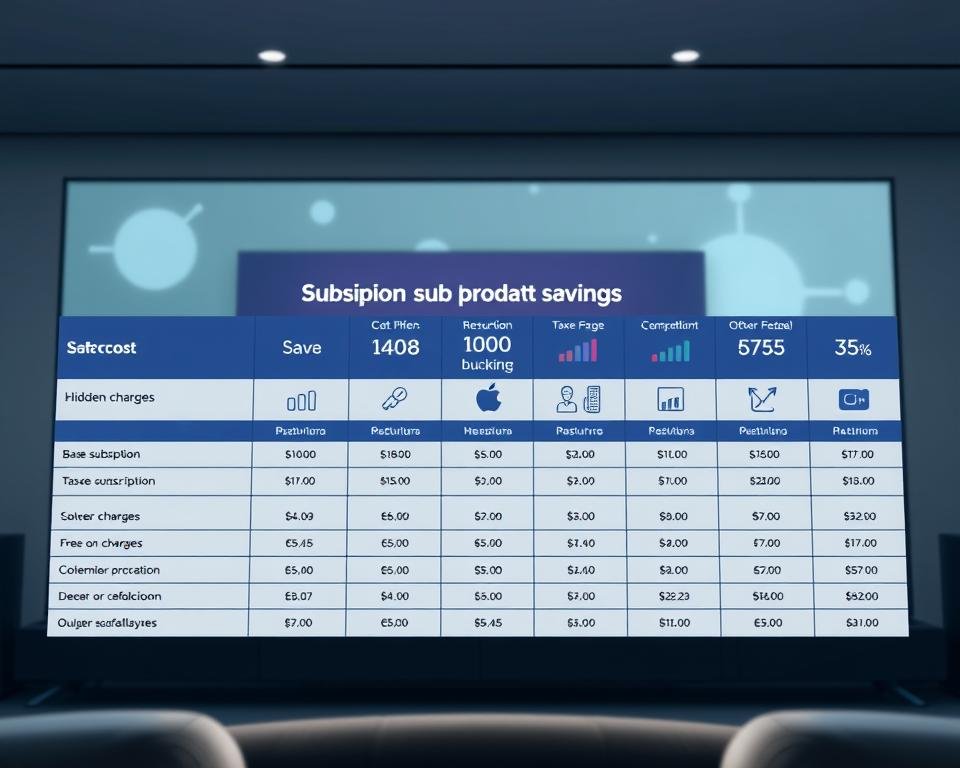
We analyse base subscriptions, premium extras, and broadband necessities. This comprehensive view helps you avoid financial surprises.
Monthly Subscription Costs
Entry-level packages provide basic entertainment at lower prices. Virgin Media’s broadband-only service starts from £23.99 monthly.
Their comprehensive Max Volt bundle reaches £84.99 per month. This package includes television, broadband, and additional benefits.
Pure streaming platforms maintain different pricing structures. Netflix begins around £6.99 monthly for their basic plan.
These figures represent initial promotional rates in many cases. Standard pricing typically applies after contract periods conclude.
Premium Add-Ons: Sky Sports, Sky Cinema, and TNT Sports
Specialised content often requires extra monthly payments. Sports and cinema channels usually sit outside base packages.
Sky Sports adds approximately £20 to your bill. Sky Cinema follows at around £15 monthly.
TNT Sports operates as another premium option. This service costs extra through most providers.
As one financial advisor cautions:
“Consumers frequently overlook add-on costs when comparing entertainment packages, leading to budget overruns.”
These extras substantially increase your total monthly expenditure.
Broadband Requirements and Potential Upgrades
Your internet connection directly affects streaming quality and cost. High-definition content requires at least 5Mbps speeds.
Ultra HD demands 25Mbps for smooth performance. Slower connections cause buffering and reduced picture quality.
Virgin Media’s gigabit broadband offers superior performance. This upgrade increases your overall package price.
Faster broadband ensures reliable streaming across multiple devices. The investment often proves worthwhile for households.
Hidden charges emerge through various mechanisms. Early disconnection fees can reach hundreds of pounds.
Virgin Media’s Max Volt subscription jumps to £205 monthly after 24 months. This represents a substantial increase from the initial £84.99.
Bundling services sometimes saves money initially. However, it may lock you into unnecessary long-term costs.
Always examine the small print before committing. Understanding all potential charges prevents financial surprises.
| Cost Component | Typical Price Range | Frequency | Notes |
|---|---|---|---|
| Base Package | £23.99 – £84.99 | Monthly | Virgin Media examples |
| Sports Add-Ons | £10 – £20 | Monthly | Sky Sports/TNT Sports |
| Cinema Add-Ons | £10 – £15 | Monthly | Sky Cinema |
| Broadband Upgrade | Variable | Monthly | Speed-dependent pricing |
| Post-Contract Increase | Up to 140% | After 24 months | Virgin Media examples |
The numbers demonstrate how quickly costs accumulate. A comprehensive entertainment setup requires careful financial planning.
Your ideal package balances content desires with budgetary constraints. Always verify current pricing before making decisions.
Contract Lengths and Flexibility: What to Expect
Commitment periods vary significantly across different entertainment providers. Understanding these differences helps you choose the right option for your circumstances.
Some services demand long-term agreements. Others provide greater freedom with shorter commitments.
Your choice affects both cost and convenience. We examine the various approaches available.
Understanding Minimum Terms
Most bundle packages require extended commitments. Virgin Media typically enforces 24-month contracts.
Sky often follows similar patterns with 18-month agreements. These terms lock you into continuous payments.
Longer contracts sometimes offer better initial rates. However, they reduce your flexibility to change providers.
Broadband-only plans may have different conditions. Always check the specific terms before signing.
Early Disconnection Fees
Cancelling before your term ends incurs penalties. These fees often cover remaining monthly payments.
Virgin Media charges substantial amounts for early exit. The calculation depends on your specific package.
As one consumer advisor notes:
“Early termination fees can represent significant unexpected costs for households changing their entertainment setup mid-contract.”
Understanding these potential charges helps avoid financial surprises. Always read the cancellation policy carefully.
Month-to-Month vs. Annual Contracts
Streaming services like NOW offer monthly passes. This approach provides maximum flexibility.
You can subscribe during specific months only. Sports fans might choose passes during tournament seasons.
Annual contracts sometimes provide cost savings. Amazon Prime’s yearly plan reduces the overall expenditure.
However, this requires upfront financial commitment. You lose the ability to cancel easily.
Your viewing habits should guide this decision. Regular viewers benefit from annual discounts.
Casual watchers prefer monthly flexibility. This option allows easy switching between services.
| Contract Type | Typical Duration | Flexibility Level | Cost Implications | Suitable For |
|---|---|---|---|---|
| Long-term bundle | 18-24 months | Low | Lower initial rates | Stable household needs |
| Monthly subscription | 30 days | High | Higher per-month cost | Changing viewing habits |
| Annual commitment | 12 months | Medium | Overall savings | Regular viewers |
Consider your long-term entertainment needs carefully. Contracts significantly impact your overall experience.
Long terms reduce flexibility but may offer better value. Short commitments cost more but allow easy changes.
Always verify current terms with providers directly. Personal circumstances might affect available options.
Equipment and Setup: What You’ll Need at Home
Getting your home entertainment system ready involves choosing the right tools and ensuring a strong internet connection. The correct setup enhances your viewing experience significantly.
Different services require various types of equipment. Some need dedicated boxes while others work through simple streaming sticks.
Your broadband quality directly affects performance. Faster speeds prevent buffering and ensure smooth playback.
Set-Top Boxes vs. Streaming Sticks
Traditional set-top boxes like BT’s YouView offer recording capabilities. These devices connect to your television and broadband service.
They often include hard drives for storing programmes. This feature allows time-shifted viewing of your favourite shows.
Streaming sticks provide a more compact alternative. Products like Sky Stream or Amazon Fire Stick plug directly into HDMI ports.
These smaller devices offer similar functionality without bulk. They deliver full entertainment access through simple connections.
Virgin Media’s Hub combines router and television functions. This integrated approach simplifies your home setup.
Sky Glass represents the most streamlined solution. This all-in-one television requires no external box whatsoever.
As one technology expert explains:
“Modern streaming devices have eliminated the need for complex installations while maintaining high-quality performance.”
Your choice depends on desired features and existing equipment. Recording capabilities might justify larger boxes.
Internet Speed and Bandwidth Recommendations
Your broadband connection forms the foundation of streaming quality. Insufficient speed causes frustrating interruptions.
High definition content requires at least 5Mbps. This ensures clear pictures without constant buffering.
Ultra HD and 4K streaming demand 25Mbps minimum. Higher speeds provide better performance and reliability.
Households with multiple devices should consider faster connections. Families often benefit from 50Mbps or more.
This accommodates simultaneous streaming across different screens. It prevents competition for bandwidth during peak viewing.
Wireless router placement affects your actual speeds. Central locations within your home provide the best coverage.
Ethernet cables offer more stable connections than Wi-Fi. Wired links reduce potential interference and dropouts.
Installation Processes: Engineer vs. Self-Setup
Streaming devices typically feature straightforward self-installation. Most require simply connecting to power and HDMI ports.
Following on-screen instructions completes the setup process. This approach eliminates waiting for engineer appointments.
Some broadband installations still need professional help. Virgin Media’s cable service requires engineer visits for initial connection.
These appointments ensure proper installation and optimal performance. They might involve wall drilling and cable routing.
Equipment costs vary between providers. Many include necessary devices within their package pricing.
Some charge monthly rental fees for set-top boxes. Others require upfront payments for streaming sticks.
Most services support various devices beyond dedicated equipment. Smart televisions, games consoles, mobiles and tablets all work well.
NOW entertainment works across numerous platforms without special installation. This flexibility makes it accessible to many households.
Optimising your home setup involves considering several factors. Router placement affects wireless performance throughout your space.
Ethernet connections provide more reliability for stationary devices. Positioning equipment near broadband entry points improves signal strength.
These practical considerations ensure you enjoy uninterrupted entertainment. They make the difference between frustration and satisfaction.
Streaming Quality: HD, 4K, and UHD Comparison
Picture quality plays a crucial role in your viewing enjoyment. Understanding different resolution levels helps you choose the right setup.
Modern services offer various quality options. Your equipment and broadband determine what you can watch.
We examine standard and high definition differences. Ultra HD availability across platforms also receives attention.
Cost implications and practical requirements complete the analysis. This information guides your entertainment decisions.
Standard Definition vs. High Definition
Standard definition represents basic picture quality. It delivers 480p resolution with noticeable pixelation.
High definition provides 720p or 1080p resolution. This creates sharper images and clearer details.
Most modern broadcasts and streaming content use HD as the minimum standard. It offers significant improvement over older formats.
HD requires approximately 5Mbps broadband speed. This ensures smooth playback without constant buffering.
Many viewers find HD quality perfectly satisfactory. It balances visual clarity with reasonable data usage.
The Availability of 4K and Ultra HD Content
4K and Ultra HD represent the highest available resolutions. They provide four times the detail of standard HD.
This premium quality demands specific equipment and connections. Not all services support these formats equally.
Sky Stream and Sky Glass both offer 4K content. Their libraries include selected films and series in Ultra HD.
Netflix, Amazon Prime, and Disney+ also provide 4K options. However, not every title receives this treatment.
NOW currently limits its output to HD resolution. This restriction affects their overall viewing experience.
As one technology reviewer notes:
“The jump to 4K delivers stunning clarity for supported content, though the difference becomes less noticeable on smaller screens.”
Availability varies significantly between providers. Always check individual title specifications before expecting Ultra HD.
Several factors determine whether you can enjoy 4K content. Your television must support Ultra HD resolution.
Broadband speeds require at least 25Mbps for reliable performance. Faster connections prevent frustrating interruptions.
Subscription tiers also influence access. Netflix Premium unlocks 4K streaming, unlike their basic plan.
These requirements add complexity to your entertainment setup. They also increase overall costs substantially.
HD quality satisfies most viewers’ needs effectively. The visual improvement from HD to 4K proves subtle on average-sized screens.
Larger televisions benefit more from Ultra HD’s enhanced detail. The investment becomes worthwhile for dedicated cinephiles.
| Quality Level | Resolution | Minimum Broadband | Key Providers | Cost Implications |
|---|---|---|---|---|
| Standard Definition | 480p | 3Mbps | Basic Freeview | No extra cost |
| High Definition | 1080p | 5Mbps | Most services | Standard pricing |
| 4K Ultra HD | 2160p | 25Mbps | Sky, Netflix, Amazon, Disney+ | Premium subscriptions |
Consider your viewing preferences and equipment capabilities. Not everyone needs the highest resolution available.
HD delivers excellent quality for general entertainment. 4K enhances specific experiences for enthusiasts.
Always verify your broadband speed meets requirements. This ensures smooth performance across all quality levels.
Simultaneous Streams and Device Compatibility
Device compatibility forms a crucial aspect of your entertainment setup. Different services support various gadgets and impose limits on concurrent viewing.
Understanding these restrictions helps avoid frustration when multiple household members want to watch simultaneously. The right choice ensures everyone enjoys their preferred content without interruption.
How Many Devices Can Stream at Once?
Streaming limits vary significantly between providers. Netflix Standard allows two simultaneous streams, while Premium supports four devices.
Disney+ and Amazon Prime typically permit two or three concurrent views. Provider bundles may have specific restrictions based on your package.
These limitations directly affect household sharing capabilities. Families often benefit from upgrading plans to accommodate multiple viewers.
Account sharing between households sometimes faces additional restrictions. Services may cap the total number of active streams regardless of profile count.
Supported Devices: Smart TVs, Consoles, and Mobiles
Most modern services support extensive device compatibility. Smart televisions from Samsung, LG, and other manufacturers work seamlessly.
Games consoles like PlayStation and Xbox provide excellent streaming capabilities. Mobile devices running iOS or Android offer convenient access.
Streaming sticks including Roku and Amazon Fire TV enhance flexibility. This broad support ensures you can watch on preferred screens.
NOW entertainment works across numerous platforms without special installation. Sky Stream maintains specific device requirements but offers wide compatibility.
Always verify device support before subscribing to any service. This prevents disappointment if your preferred equipment isn’t compatible.
Managing multiple streams requires careful consideration of your household’s viewing habits. Upgrading plans often proves cost-effective for families with frequent simultaneous viewing.
Device compatibility ensures smooth access across your preferred screens. These practical considerations significantly enhance your overall entertainment experience.
How to Get the Best UK Live TV Streaming Subscription Deal
Finding the perfect entertainment solution requires smart shopping strategies. With numerous providers competing for your attention, knowing how to navigate offers ensures you get maximum value.
Comparison websites like Uswitch provide excellent starting points. They allow filtering by channels, broadband speed, and budget requirements.
Always verify current promotions directly with providers. Location-specific discounts might apply to your area.
Comparing Offers Across Providers
Thorough comparison forms the foundation of smart decision-making. Different companies structure their packages uniquely.
Virgin Media often provides integrated broadband and entertainment bundles. Sky offers both traditional and streaming options.
Pure streaming services maintain different pricing structures. Each approach caters to specific viewing preferences.
Use comparison tools to evaluate channel lineups and broadband speeds. This reveals the true value behind advertised prices.
Consider both immediate costs and long-term financial commitments. Some deals appear attractive initially but increase substantially later.
Looking for New Customer Promotions
Providers frequently offer special incentives to attract new subscribers. These promotions can significantly reduce your initial costs.
Virgin Media’s reduced rates for the first 24 months represent common practice. Similar patterns exist across the industry.
Always check the standard pricing that applies after promotional periods. The difference can sometimes exceed 100%.
As one consumer advisor notes:
“New customer discounts provide genuine savings opportunities, but understanding the full pricing structure prevents future bill shock.”
Seasonal sales events often feature enhanced promotions. Black Friday and January sales typically offer particularly strong deals.
Timing your order around these periods can yield substantial savings. Existing customers nearing contract renewal might also qualify.
Contacting Providers for Tailored Quotes
Personalised consultations often reveal unadvertised opportunities. Sales teams can sometimes offer custom packages.
WhatsApp +44 7577 306319 provides convenient contact options. This allows detailed discussions about your specific requirements.
Bundling services frequently unlocks additional discounts. Combining television, broadband, and mobile services often saves money.
Negotiation remains an important skill when discussing deals. Asking about retention offers or waived installation fees can pay dividends.
Always request written confirmation of any agreed terms. This ensures transparency and prevents misunderstandings later.
| Strategy | Key Action | Potential Saving | Considerations |
|---|---|---|---|
| Comparison Shopping | Use Uswitch filters | Identify best-value packages | Verify broadband requirements |
| Promotional Offers | Check new customer deals | 20-40% initial discount | Post-promotion price increases |
| Direct Negotiation | Contact via WhatsApp +44 7577 306319 | Custom bundle discounts | Get all agreements in writing |
| Timing Strategy | Align with sales events | Enhanced seasonal promotions | Contract renewal timing |
Reading all terms and conditions remains essential. Hidden clauses about minimum terms or add-on requirements might affect your decision.
Your ideal package balances content desires with practical budgeting. Smart comparison and direct negotiation ensure you find the best option.
Choosing the Right Service for Your Household
Selecting the ideal entertainment solution requires careful consideration of your family’s unique preferences and circumstances. The perfect choice balances what you enjoy watching with what fits your budget and technical setup.
Many households make the mistake of focusing solely on price. While cost matters, the right service should primarily match your actual viewing habits and home environment.
Assessing Your Viewing Habits
Begin by analysing what your household actually watches regularly. Do you prefer live sports, blockbuster films, or children’s programmes?
Sports enthusiasts should prioritise providers offering Sky Sports or TNT Sports. Movie lovers might value Sky Cinema or Netflix’s extensive film library.
Families with young children often benefit from Disney+ or dedicated kids’ passes. Each package serves different entertainment preferences.
As one entertainment consultant advises:
“The most satisfying subscription aligns with your actual watching patterns rather than perceived value. Choose services that provide the content you genuinely enjoy.”
Free trials offer excellent opportunities to test services before committing. Most providers offer 7-30 day trial periods.
Considering Your Budget
Financial planning involves more than just the advertised monthly fee. Consider installation costs, equipment expenses, and potential price increases.
Basic entertainment packages start around £25 monthly. Comprehensive bundles can exceed £85 when including premium sports and cinema channels.
Remember to factor in broadband upgrade costs if needed. Ultra HD streaming requires faster internet speeds than standard definition.
Always compare the total cost over your intended contract period. Some deals appear cheap initially but become expensive later.
Balance your desired content with what you can comfortably afford. The most expensive option isn’t necessarily the best for every household.
Future-Proofing Your Entertainment Setup
Technology evolves rapidly, so consider flexibility when making your choice. Opt for services that can adapt to new developments and changing preferences.
4K readiness ensures you can enjoy higher resolution as more content becomes available. Check whether your chosen service supports Ultra HD streaming.
Scalable broadband allows you to increase speeds as household demands grow. This accommodates more devices and higher quality streaming.
Flexible contracts provide freedom to change services as new options emerge. Month-to-month agreements offer more adaptability than long-term commitments.
Your ideal setup should serve both current needs and future possibilities. This approach maximises long-term satisfaction with your entertainment choices.
| Household Type | Recommended Focus | Key Providers | Budget Range | Contract Advice |
|---|---|---|---|---|
| Sports Enthusiasts | Live sports coverage | Sky, BT, NOW Sports | £40-£80 monthly | Consider seasonal passes |
| Film Lovers | Extensive movie libraries | Sky Cinema, Netflix | £30-£60 monthly | Check 4K availability |
| Families | Kids content & variety | Disney+, NOW Kids | £25-£50 monthly | Parental controls essential |
| Varied Viewers | General entertainment | Virgin Media, Sky | £35-£70 monthly | Flexible packages preferred |
Ultimately, the best choice prioritises long-term satisfaction over short-term savings. Your entertainment service should bring enjoyment rather than frustration.
Review what you’ve learned about different providers and their offerings. Match this knowledge to your household’s specific needs and preferences.
The right decision creates years of viewing pleasure tailored to your unique circumstances. Take time to choose wisely based on comprehensive understanding.
Conclusion
Selecting the right home entertainment solution requires thoughtful evaluation of your household’s unique preferences and circumstances. The market offers diverse options from established providers and pure digital services.
Compare packages based on content variety, user experience, and overall costs. Personalised deals often provide the best value for your specific needs.
Contact providers directly for tailored quotes. Use WhatsApp +44 7577 306319 for convenient consultations about custom packages.
Streaming continues evolving with more 4K content and innovative features. Regularly review your setup to ensure it still meets your viewing habits as technology advances.
Make informed choices that balance entertainment value with practical budgeting. The right selection enhances your daily viewing experience while maintaining financial comfort.


Leave a Reply